5 Sensory-Friendly Spots in and Around Greenfield, Wisconsin 

Families who have a child with autism or other developmental needs often learn quickly that a successful outing depends on more than picking the right destination. Noise levels, crowded spaces, lighting, transitions, and even parking can shape how manageable a day feels. 

Around Greenfield, some places have become reliable Wisconsin stops for families because they offer something harder to find than entertainment alone: flexibility, space to regroup, and staff who understand that children experience environments differently. 

A sensory-friendly outing does not have to be silent or perfectly calm. Many families simply look for places where children can move at their own pace without constant pressure or overstimulation. 

Here are five sensory-friendly spots in and around Greenfield that families may want to explore. 
1. Wehr Nature Center Offers Quiet Trails and Gentle Exploration 

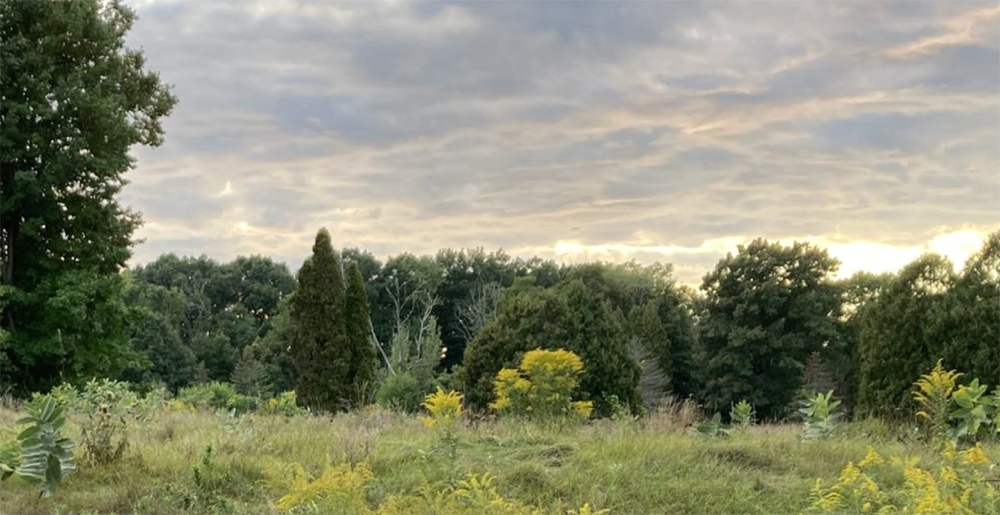
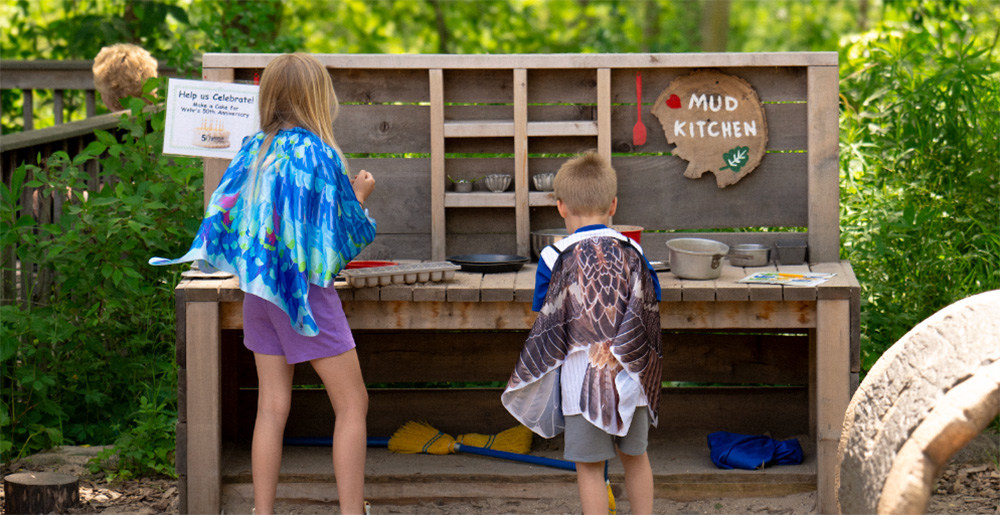
Inside Whitnall Park, Wehr Nature Center gives families a quieter alternative to busier attractions. Short walking trails, nature exhibits, and wooded surroundings create a slower pace that can feel easier for children who become overwhelmed in louder environments. Indoor exhibits are small enough to navigate without feeling crowded. 

Tip for families: Start with the accessible boardwalk trail near the visitor center before branching onto longer paths. The shorter route helps many children settle into the environment gradually. 
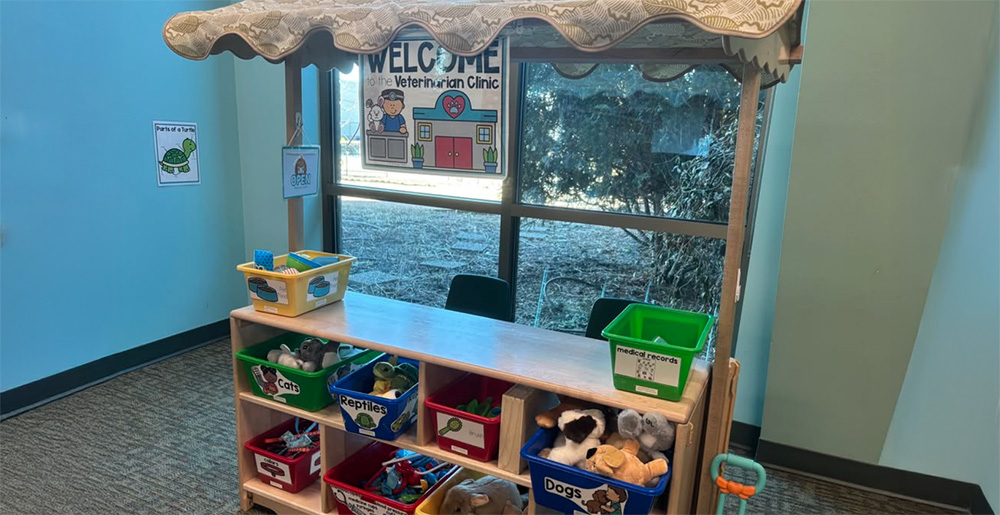
2. Greenfield Public Library Creates Predictable Spaces 

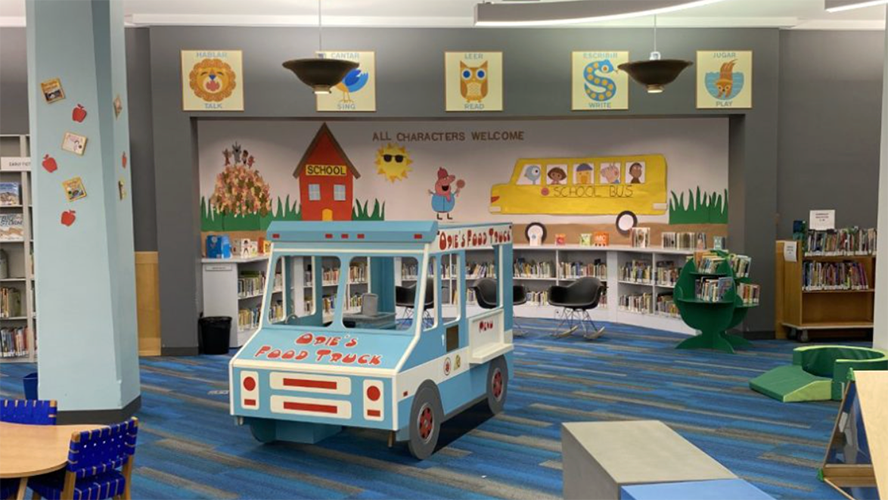
Greenfield Public Library offers a calm indoor setting with flexible children’s areas, reading nooks, and family programming throughout the year. Libraries can work especially well for children who prefer structured spaces with clear expectations and quieter sound levels. 

Tip for families: Visit during weekday mornings when the children’s section is usually quiet. 
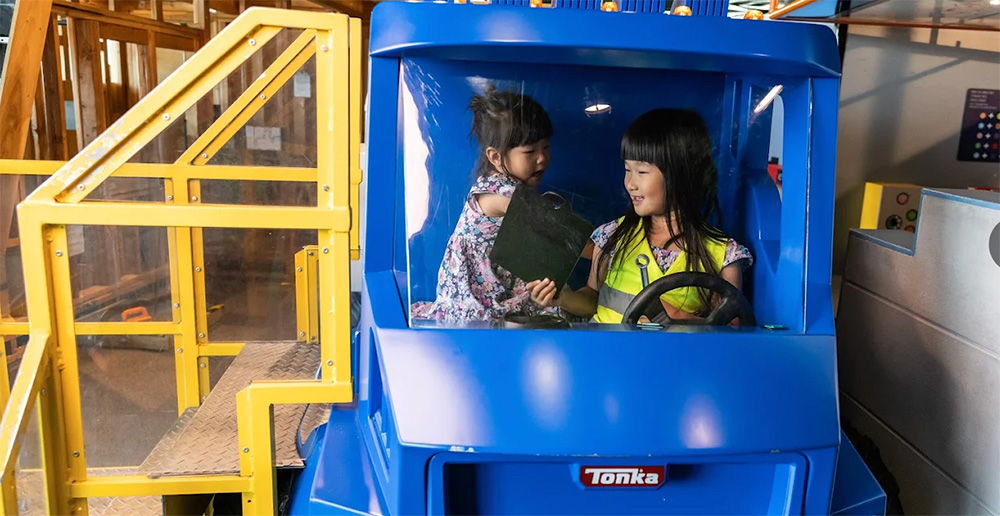
3. Betty Brinn Children’s Museum Hosts Sensory-Friendly Sessions 

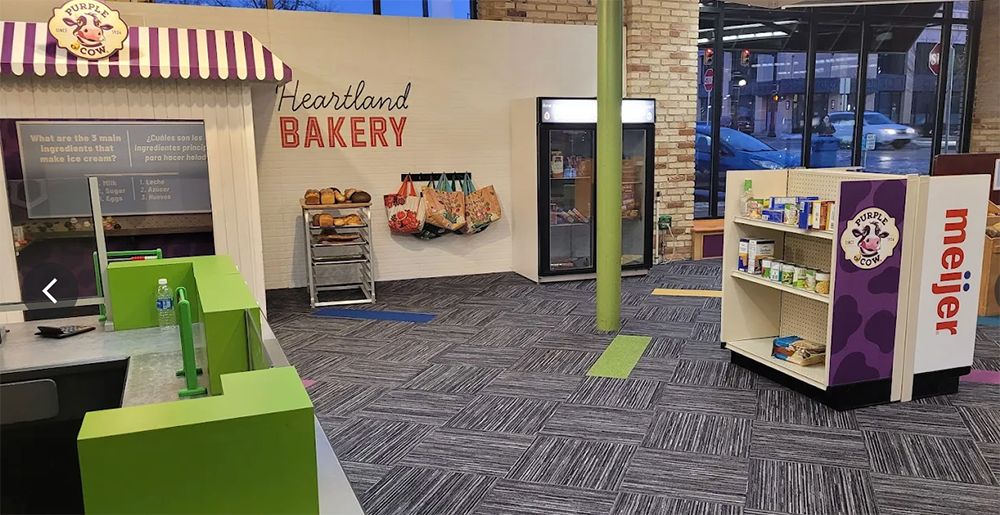
About 20 minutes from Greenfield, Betty Brinn Children’s Museum in Milwaukee regularly offers sensory-friendly play sessions with adjusted sound and lighting levels. The museum also provides hands-on exhibits designed for different learning and play styles. 

Tip for families: Review the museum map before arriving and choose two or three exhibits to focus on first. Smaller goals can make visits feel more manageable for children who become overwhelmed by large spaces. 

4. Milwaukee County Zoo Gives Families Room to Reset 

Milwaukee County Zoo has wide walking paths, shaded seating areas, theaters, learning zones, a jungle gym, and plenty of areas to spread out. 

Tip for families: Begin with outdoor habitats early in the morning before crowds build. Indoor exhibits tend to feel louder and busier later in the day. 
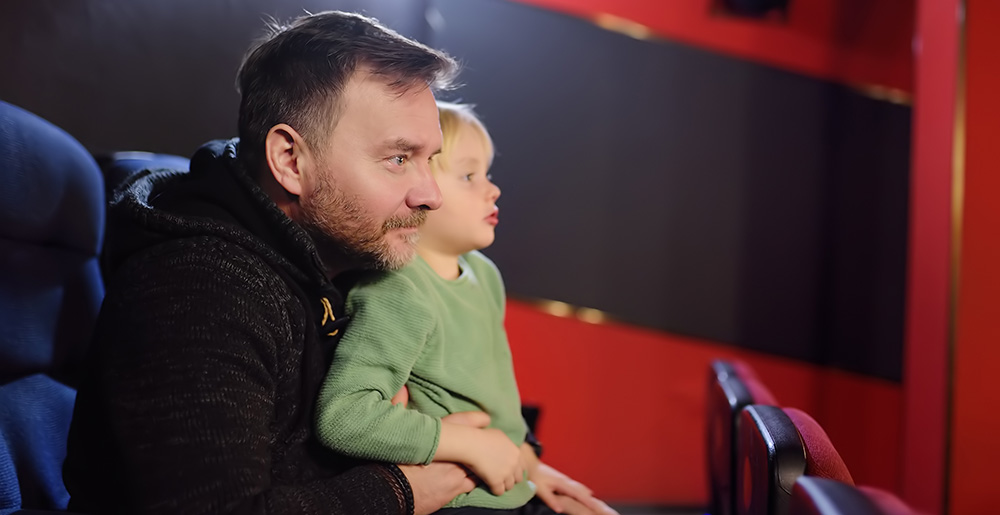
5. Marcus Theatres Offers Sensory-Friendly Screenings 

Several Marcus Theatres locations near Greenfield participate in sensory-friendly movie programs with lower sound levels and dimmed lighting. Children can move around more freely during the movie, which can make theater visits feel less stressful for many families. 

Tip for families: Bring familiar snacks or comfort items if allowed and consider sitting near the aisle so your child can take movement breaks without disrupting the experience. 

Support Is Close to Home 

Finding places where children feel comfortable can help families spend more time together in the community and less time worrying about how an outing will go. 

Wisconsin Early Autism Project (WEAP) and Total Spectrum, part of LEARN Behavioral, work with families across Greenfield and nearby Milwaukee communities to help children build communication, social, and daily living skills that support everyday life. If you are looking for support in the Greenfield area, WEAP and Total Spectrum are here to help you take the next step.   

5 Sensory-Friendly Spots in and Around Grand Rapids, Michigan 

Families who have a child with autism or sensory sensitivities often plan outings with more than entertainment in mind. Noise, lighting, crowds, transitions, and waiting times can all affect whether a place feels manageable or overwhelming. 

Around Grand Rapids, several museums, parks, and public spaces offer quieter environments, flexible pacing, or sensory-friendly programming that can make outings easier for families to navigate.  

In some places, that means adjusted lighting or reduced crowd sizes. In others, it simply means enough room for children to move, pause, and reset when needed. 

Here are five sensory-friendly spots in and around Grand Rapids that families may want to explore. 

1. Grand Rapids Children’s Museum Sets Aside Quieter Hours 

Grand Rapids Children’s Museum regularly hosts sensory-friendly play sessions with reduced noise, adjusted lighting, and smaller crowds. The museum’s hands-on exhibits allow children to explore independently. 

Tip for families: Check the museum calendar before visiting. Sensory-friendly sessions are typically offered during select morning hours with limited attendance. 

2. Frederik Meijer Gardens Gives Families Space to Slow Down 

Frederik Meijer Gardens & Sculpture Park works well for families who prefer to move without a schedule. Children can pause at water features, walk ahead on the sculpture trails, or spend time in smaller garden spaces without feeling rushed from one exhibit to the next. The grounds are spread out enough that families can usually find a quieter path when indoor areas become crowded. 

Tip for families: Start with the outdoor sculpture trails if indoor conservatories feel too busy or overstimulating. Morning visits are often quieter. 

3. Kent District Library Offers Calm Indoor Spaces 

Kent District Library branches near Grand Rapids provide quieter children’s areas, flexible seating, and family programming throughout the year. Libraries often work well for children who prefer structured environments and predictable routines. 

Tip for families: Visit during weekday mornings or early afternoons, when children’s areas are usually quieter and easier to navigate. 

4. John Ball Zoo Gives Families Flexible Pacing 

John Ball Zoo offers shaded walking paths, outdoor exhibits, and open seating areas throughout the grounds. Families can move through the zoo gradually and step away from busier areas when children need a break. 

Tip for families: Arrive near opening time and begin with outdoor habitats before crowds build later in the day. 

5. Blandford Nature Center Offers Quiet Trails and Open Space  

Not every child wants a packed itinerary or a crowded attraction. 

Blandford Nature Center gives families another kind of outing. Children can walk the trails, check in on the resident wildlife, or spend time outside without a lot of noise, waiting, or transitions between activities. Parents can shorten the visit, linger longer, or change direction midway through without much disruption. 

Tip for families: Begin with the shorter loops near the visitor center and save the longer wooded trails for a second visit after your child becomes familiar with the setting. 

Support Is Close to Home 

Finding places that feel comfortable and predictable can help families spend more time together in the community and less time worrying about how an outing will unfold. 

Total Spectrum, part of LEARN Behavioral, works with families across Grand Rapids and nearby communities to help children build communication, social, and daily living skills through applied behavior analysis (ABA) therapy that supports everyday life at home, in school, and in the community. If you are looking for support in the Grand Rapids area, Total Spectrum is here to help you take the next step.   

5 Sensory-Friendly Spots in Chicago for Families to Explore

Families who have a child with autism or sensory sensitivities often spend extra time planning even simple outings. They may think about traffic, noise levels, lighting, bathrooms, wait times, or whether there is somewhere quiet to regroup if a child becomes overwhelmed. 

In Chicago, some museums, parks, libraries, and public spaces have started making those experiences easier to navigate.  

Small adjustments can make a meaningful difference, such as a calm corner away from crowds or a staff member who understands that children experience environments differently. 

For many families, those details can determine whether an outing feels stressful or enjoyable. 

Here are five sensory-friendly spots in Chicago that families may want to explore. 

1. Maggie Daley Park Gives Kids Room to Move 

Maggie Daley Park offers wide walking paths, climbing areas, gardens, and open spaces where children can move freely without feeling confined. Families can spread out, take breaks between activities, and choose quieter sections of the park when downtown areas feel busy. 

Tip for families: Visit earlier in the morning when the playground and climbing areas are less crowded and easier to navigate at a slower pace. 

2. Shedd Aquarium Hosts Sensory-Friendly Events 

Shedd Aquarium offers sensory-friendly programs and accessibility supports designed for visitors with sensory sensitivities. Exhibits with special lighting, slow-moving galleries, and predictable walking paths can also help many children feel more comfortable during regular daytime visits. 

Tip for families: Begin with the smaller galleries upstairs before heading into larger exhibit areas. Starting small can help children adjust gradually to the environment. 

3. Harold Washington Library Center Offers Quiet Indoor Space 

Harold Washington Library Center provides families with a calm indoor option. The children’s areas offer flexible seating, open reading spaces, and quiet surroundings that can feel less overstimulating than many downtown attractions. 

Tip for families: Ride the elevator to the children’s floor before exploring the rest of the building. A quieter starting point can make transitions easier for some children. 

4. Field Museum Creates Predictable Paths Through Large Exhibits 

The Field Museum can feel large and busy, but many exhibits follow clear layouts that help families move at their own pace. Wide hallways, benches, and quieter corners throughout the museum allow children to pause and reset without needing to leave entirely. 

Tip for families: Skip weekends, if possible, and plan one or two exhibits rather than trying to cover the entire museum in one visit. 

5. AMC River East Offers Sensory-Friendly Screenings 

AMC River East 21 participates in AMC’s sensory-friendly film program in partnership with the Autism Society. During these screenings, the lights stay dim instead of fully dark, the sound volume is lower, and children may move around more freely during the movie. 

Tip for families: Choose aisle seating near the back of the theater so your child can step out for movement breaks without feeling rushed or disruptive. 

Support Is Close to Home 

Finding sensory-friendly spaces can help families feel more confident about exploring their community and spending time together outside daily routines. 

Total Spectrum, part of LEARN Behavioral, works with families across Chicago to help children through applied behavior analysis (ABA) therapy and related services that focus on communication, daily living skills, and routines. If you are looking for support in the Chicago area, Total Spectrum is here to help you take the next step.   
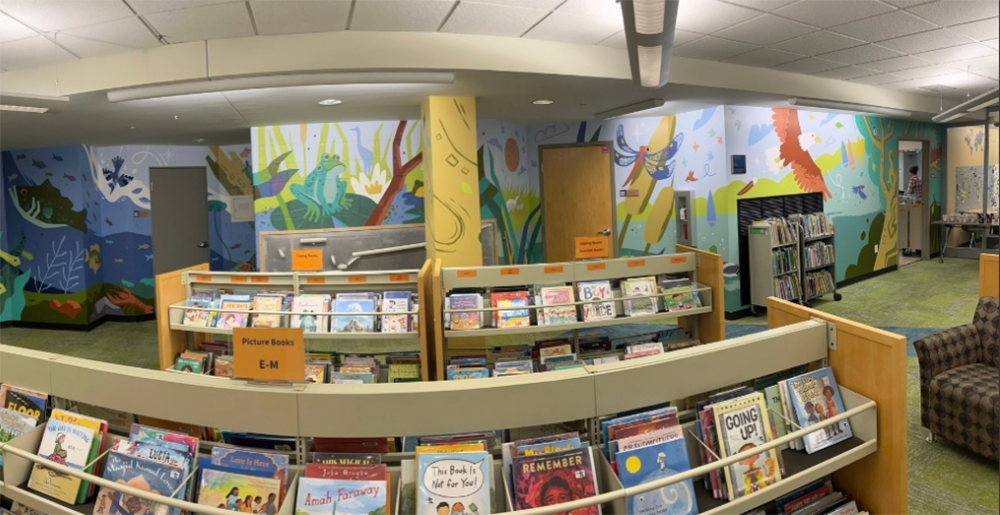
Recognizing Autism Symptoms: How to Spot Early Signs

By Sabrina Daneshvar, Ph.D., BCBA-D, senior vice president of clinical services at LEARN Behavioral

Recognizing Autism Symptoms: How to Spot Early Signs

Autism isn’t always easy to spot. It’s a complex neurological and developmental disorder. It often shows up in early childhood and affects how a person interacts with others, communicates, and learns.

Since symptoms of autism vary so widely from person to person, it can be challenging to diagnose.

Recognizing early signs can be vital to getting help. If you suspect your child may be on the autism spectrum, talk to your pediatrician. A medical professional can guide you on the next steps. This may include a complete diagnostic evaluation.

Understanding Autism

You may be familiar with people talking about autism existing on a “spectrum.” This means a person’s symptoms can vary in severity across many areas. For example, some people might have trouble with social interactions and communication. They might have difficulty understanding body language or maintaining a conversation. Others might have repetitive behaviors or be intensely focused on certain interests.

Simply put, autism doesn’t look the same for everyone. Everyone experiences it differently.

Early Signs of Autism

While every child is unique, there are common signs of autism to watch for. Here are some:

  • Social Challenges: Your child may avoid eye contact. They might have yet to respond to their name. They may show little interest in people or toys.
  • Communication Difficulties: Look for delayed speech. Or your child might repeat words without understanding them. They may not use gestures like pointing.
  • Repetitive Behaviors: A child with autism may flap their hands. They might line up toys instead of playing with them. They could insist on routines and get upset with changes.
  • Sensory Sensitivities: Your child may react unusually to sounds, lights, or textures. They could either be overly sensitive or not sensitive enough.

Watch for signs such as:

  • Not smiling at others by six months
  • Not using gestures to communicate by 12 months
  • Not babbling by 12 months
  • Not speaking single words by 16 months
  • Not speaking two-word phrases by 24 months
  • Not reacting to voices, sounds, or their name

Remember, these signs don’t confirm autism. But they suggest you should check with your health care provider.

What to Do If You Notice These Signs

If you think your child may be showing signs of autism, early intervention is critical. Children’s brains are most adaptable and responsive to learning during the first few years of life. Research shows that high-quality early intervention can significantly improve essential skill development. These include communication, social interactions, cognition, and self-care.

So, if you notice signs of autism, document your observations. Talk to your child’s doctor, and stay patient and positive.

Getting a diagnosis of autism is not an end. It’s a beginning. It opens the door to getting the services and support that can help your child thrive.

Accessing therapies early can lead to better long-term outcomes. It reduces the need for intensive support in the future. It can also help foster supportive environments for your child’s growth.

Early intervention can also teach you strategies for navigating the world of autism.

Interested in learning more about the early signs of autism? Visit our website for additional information and how we can help you get started on your child’s journey to success.