5 Sensory-Friendly Spots in and Around Greenfield, Wisconsin 

Families who have a child with autism or other developmental needs often learn quickly that a successful outing depends on more than picking the right destination. Noise levels, crowded spaces, lighting, transitions, and even parking can shape how manageable a day feels. 

Around Greenfield, some places have become reliable Wisconsin stops for families because they offer something harder to find than entertainment alone: flexibility, space to regroup, and staff who understand that children experience environments differently. 

A sensory-friendly outing does not have to be silent or perfectly calm. Many families simply look for places where children can move at their own pace without constant pressure or overstimulation. 

Here are five sensory-friendly spots in and around Greenfield that families may want to explore. 

1. Wehr Nature Center Offers Quiet Trails and Gentle Exploration 

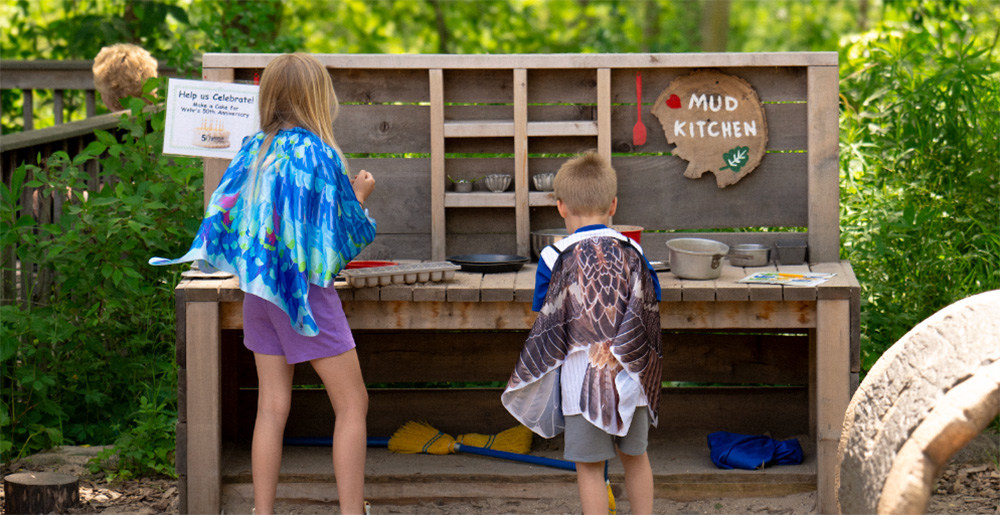
Inside Whitnall Park, Wehr Nature Center gives families a quieter alternative to busier attractions. Short walking trails, nature exhibits, and wooded surroundings create a slower pace that can feel easier for children who become overwhelmed in louder environments. Indoor exhibits are small enough to navigate without feeling crowded. 

Tip for families: Start with the accessible boardwalk trail near the visitor center before branching onto longer paths. The shorter route helps many children settle into the environment gradually. 

2. Greenfield Public Library Creates Predictable Spaces 

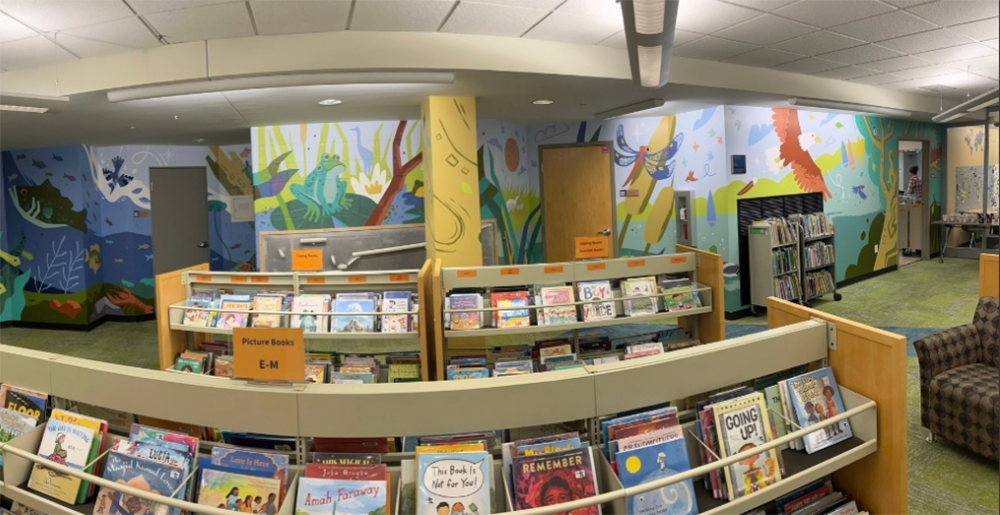
Greenfield Public Library offers a calm indoor setting with flexible children’s areas, reading nooks, and family programming throughout the year. Libraries can work especially well for children who prefer structured spaces with clear expectations and quieter sound levels. 

Tip for families: Visit during weekday mornings when the children’s section is usually quiet. 

3. Betty Brinn Children’s Museum Hosts Sensory-Friendly Sessions 

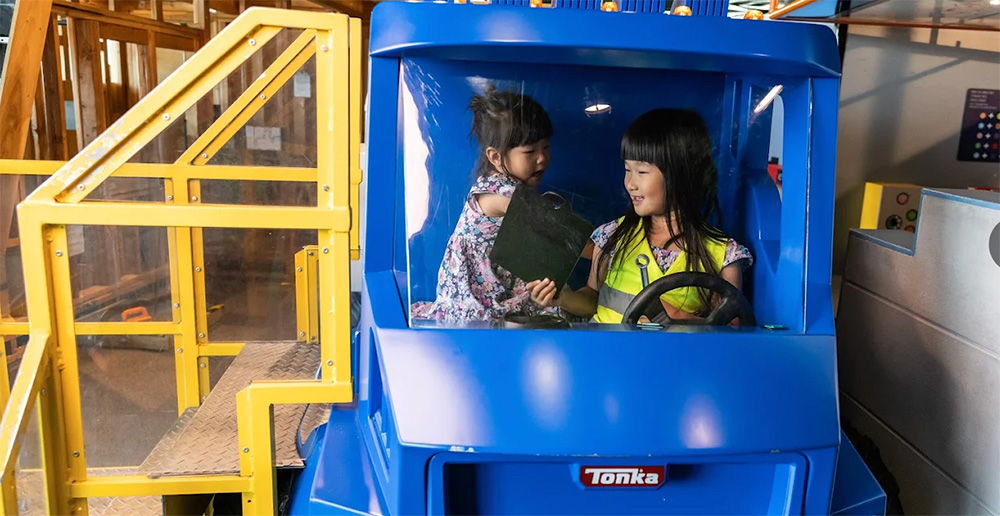
About 20 minutes from Greenfield, Betty Brinn Children’s Museum in Milwaukee regularly offers sensory-friendly play sessions with adjusted sound and lighting levels. The museum also provides hands-on exhibits designed for different learning and play styles. 

Tip for families: Review the museum map before arriving and choose two or three exhibits to focus on first. Smaller goals can make visits feel more manageable for children who become overwhelmed by large spaces. 

4. Milwaukee County Zoo Gives Families Room to Reset 

Milwaukee County Zoo has wide walking paths, shaded seating areas, theaters, learning zones, a jungle gym, and plenty of areas to spread out. 

Tip for families: Begin with outdoor habitats early in the morning before crowds build. Indoor exhibits tend to feel louder and busier later in the day. 

5. Marcus Theatres Offers Sensory-Friendly Screenings 

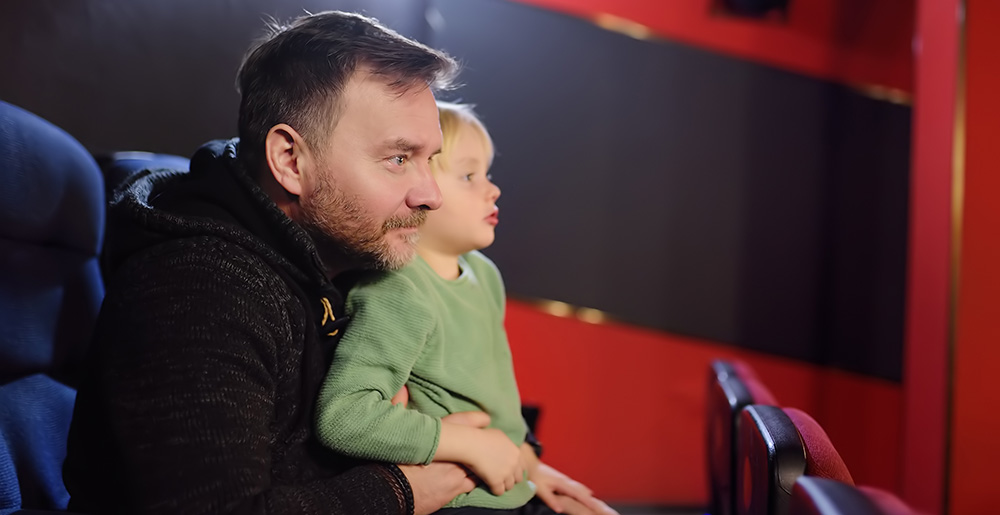
Several Marcus Theatres locations near Greenfield participate in sensory-friendly movie programs with lower sound levels and dimmed lighting. Children can move around more freely during the movie, which can make theater visits feel less stressful for many families. 

Tip for families: Bring familiar snacks or comfort items if allowed and consider sitting near the aisle so your child can take movement breaks without disrupting the experience. 

Support Is Close to Home 

Finding places where children feel comfortable can help families spend more time together in the community and less time worrying about how an outing will go. 

Wisconsin Early Autism Project (WEAP) and Total Spectrum, part of LEARN Behavioral, work with families across Greenfield and nearby Milwaukee communities to help children build communication, social, and daily living skills that support everyday life. If you are looking for support in the Greenfield area, WEAP and Total Spectrum are here to help you take the next step.   

5 Sensory-Friendly Spots in and Around Grand Rapids, Michigan 

Families who have a child with autism or sensory sensitivities often plan outings with more than entertainment in mind. Noise, lighting, crowds, transitions, and waiting times can all affect whether a place feels manageable or overwhelming. 

Around Grand Rapids, several museums, parks, and public spaces offer quieter environments, flexible pacing, or sensory-friendly programming that can make outings easier for families to navigate.  

In some places, that means adjusted lighting or reduced crowd sizes. In others, it simply means enough room for children to move, pause, and reset when needed. 

Here are five sensory-friendly spots in and around Grand Rapids that families may want to explore. 

1. Grand Rapids Children’s Museum Sets Aside Quieter Hours 

Grand Rapids Children’s Museum regularly hosts sensory-friendly play sessions with reduced noise, adjusted lighting, and smaller crowds. The museum’s hands-on exhibits allow children to explore independently. 

Tip for families: Check the museum calendar before visiting. Sensory-friendly sessions are typically offered during select morning hours with limited attendance. 

2. Frederik Meijer Gardens Gives Families Space to Slow Down 

Frederik Meijer Gardens & Sculpture Park works well for families who prefer to move without a schedule. Children can pause at water features, walk ahead on the sculpture trails, or spend time in smaller garden spaces without feeling rushed from one exhibit to the next. The grounds are spread out enough that families can usually find a quieter path when indoor areas become crowded. 

Tip for families: Start with the outdoor sculpture trails if indoor conservatories feel too busy or overstimulating. Morning visits are often quieter. 

3. Kent District Library Offers Calm Indoor Spaces 

Kent District Library branches near Grand Rapids provide quieter children’s areas, flexible seating, and family programming throughout the year. Libraries often work well for children who prefer structured environments and predictable routines. 

Tip for families: Visit during weekday mornings or early afternoons, when children’s areas are usually quieter and easier to navigate. 

4. John Ball Zoo Gives Families Flexible Pacing 

John Ball Zoo offers shaded walking paths, outdoor exhibits, and open seating areas throughout the grounds. Families can move through the zoo gradually and step away from busier areas when children need a break. 

Tip for families: Arrive near opening time and begin with outdoor habitats before crowds build later in the day. 

5. Blandford Nature Center Offers Quiet Trails and Open Space  

Not every child wants a packed itinerary or a crowded attraction. 

Blandford Nature Center gives families another kind of outing. Children can walk the trails, check in on the resident wildlife, or spend time outside without a lot of noise, waiting, or transitions between activities. Parents can shorten the visit, linger longer, or change direction midway through without much disruption. 

Tip for families: Begin with the shorter loops near the visitor center and save the longer wooded trails for a second visit after your child becomes familiar with the setting. 

Support Is Close to Home 

Finding places that feel comfortable and predictable can help families spend more time together in the community and less time worrying about how an outing will unfold. 

Total Spectrum, part of LEARN Behavioral, works with families across Grand Rapids and nearby communities to help children build communication, social, and daily living skills through applied behavior analysis (ABA) therapy that supports everyday life at home, in school, and in the community. If you are looking for support in the Grand Rapids area, Total Spectrum is here to help you take the next step.   

5 Sensory-Friendly Spots in Chicago for Families to Explore

Families who have a child with autism or sensory sensitivities often spend extra time planning even simple outings. They may think about traffic, noise levels, lighting, bathrooms, wait times, or whether there is somewhere quiet to regroup if a child becomes overwhelmed. 

In Chicago, some museums, parks, libraries, and public spaces have started making those experiences easier to navigate.  

Small adjustments can make a meaningful difference, such as a calm corner away from crowds or a staff member who understands that children experience environments differently. 

For many families, those details can determine whether an outing feels stressful or enjoyable. 

Here are five sensory-friendly spots in Chicago that families may want to explore. 

1. Maggie Daley Park Gives Kids Room to Move 

Maggie Daley Park offers wide walking paths, climbing areas, gardens, and open spaces where children can move freely without feeling confined. Families can spread out, take breaks between activities, and choose quieter sections of the park when downtown areas feel busy. 

Tip for families: Visit earlier in the morning when the playground and climbing areas are less crowded and easier to navigate at a slower pace. 

2. Shedd Aquarium Hosts Sensory-Friendly Events 

Shedd Aquarium offers sensory-friendly programs and accessibility supports designed for visitors with sensory sensitivities. Exhibits with special lighting, slow-moving galleries, and predictable walking paths can also help many children feel more comfortable during regular daytime visits. 

Tip for families: Begin with the smaller galleries upstairs before heading into larger exhibit areas. Starting small can help children adjust gradually to the environment. 

3. Harold Washington Library Center Offers Quiet Indoor Space 

Harold Washington Library Center provides families with a calm indoor option. The children’s areas offer flexible seating, open reading spaces, and quiet surroundings that can feel less overstimulating than many downtown attractions. 

Tip for families: Ride the elevator to the children’s floor before exploring the rest of the building. A quieter starting point can make transitions easier for some children. 

4. Field Museum Creates Predictable Paths Through Large Exhibits 

The Field Museum can feel large and busy, but many exhibits follow clear layouts that help families move at their own pace. Wide hallways, benches, and quieter corners throughout the museum allow children to pause and reset without needing to leave entirely. 

Tip for families: Skip weekends, if possible, and plan one or two exhibits rather than trying to cover the entire museum in one visit. 

5. AMC River East Offers Sensory-Friendly Screenings 

AMC River East 21 participates in AMC’s sensory-friendly film program in partnership with the Autism Society. During these screenings, the lights stay dim instead of fully dark, the sound volume is lower, and children may move around more freely during the movie. 

Tip for families: Choose aisle seating near the back of the theater so your child can step out for movement breaks without feeling rushed or disruptive. 

Support Is Close to Home 

Finding sensory-friendly spaces can help families feel more confident about exploring their community and spending time together outside daily routines. 

Total Spectrum, part of LEARN Behavioral, works with families across Chicago to help children through applied behavior analysis (ABA) therapy and related services that focus on communication, daily living skills, and routines. If you are looking for support in the Chicago area, Total Spectrum is here to help you take the next step.   

5 Back-to-School Blogs Every Parent of a Child with Autism Should Read

Returning to school from summer break can be challenging for children, especially those with autism. In our top five back-to-school blogs, you can find information on everything from homework tips to making friendships to reducing school anxiety. The resources below will help your family to ensure your child has a successful school year ahead.

Tips for Reducing Back to School Anxiety

Returning to school from summer break can be overwhelming and cause anxiety for children on the autism spectrum. This blog provides practical tips for parents and caregivers to ease their child’s transition back to school, reduce stress, and promote a smoother start to the new school year.

Back to School: Homework Tips

Establishing effective homework routines can ease the transition and reduce stress for kids with autism as the school year begins. We provide actionable tips to help parents support their children in managing homework, fostering a more successful academic experience.

Five Steps to Help Your Child with Autism Make Friends

Many parents and caregivers worry about their children with autism making friends and how they can help them foster friendships. In this blog, we outline five practical steps you can take to support your child in developing meaningful connections with peers.

Understanding Your ABA Provider’s Partnership with Schools

Collaboration between ABA providers and schools is crucial for delivering consistent support to children with autism across different settings. This blog explores how these partnerships enhance therapy outcomes by ensuring aligned strategies and effective communication between educators and therapists.

The Importance of Sticking to Consistent ABA Therapy

Consistent ABA therapy is essential for reinforcing positive behaviors and ensuring steady progress in children with autism. This blog highlights why maintaining a regular ABA therapy schedule year-round is vital to achieving long-term success in school and life.

By exploring these insightful blogs, you’ll be better equipped to support your child with autism through the challenges and triumphs of the school year. With the right tools and knowledge, you can help create an environment where your child can thrive in both school and life.

Why Play is Essential to ABA Therapy for Autistic Children

Play is an essential part of working with children with autism in ABA.

As a behavior technician (BT), play helps build trust and comfort between you and your client. That process starts with play, having fun, and being a kid. Getting your clients in a state of play builds this foundation for trust, which we refer to as “rapport.” When starting to work with a new client, your supervisor and/or client’s caregiver will provide you with some of your client’s special interests and activities. You can incorporate these into your sessions to make learning fun and personalized. Using rapport in combination with their preferred activities leads to successful pairing with your client.

In a Learning Center setting, for example, your supervisor may suggest activities such as playing with toys or board games or interacting with peers. Your client may quickly find interest in a Learning Center toy, game, or other activity without prompting. But, if your client doesn’t give you a direct response, give them choices based on what you know about them. For example, say “We can play with train tracks or do a puzzle. What would you like to do?” Give them different choices until they choose something.

As soon as they give you an answer or show signs of interest in something, reinforce the toy or activity by showing interest in it yourself, e.g., clapping or showing praise. In my experience, this part of the pairing process varies. Sometimes it may take a while for a client to warm up in a social environment. Other times, it happens quickly. It just depends on the individual. As a BT, this process teaches you to be patient. When you find out what interests your clients, it makes pairing with them in sessions more fun.

Natural Environment Teaching (NET) While Pairing

Playing and pairing as a BT is essential because it creates opportunities for natural environment teaching (NET). Playing with your clients encourages an environment in which they’re motivated to participate.

In my first week working with a client, we played Memory*, a matching game. This was the first time we actively played together, and I saw him deeply engaged in an activity. I learned that he has a great memory, making the game more engaging for both of us. He became more receptive to responding once his attention was directed toward the game. Playing the game created opportunities to reinforce his behavior like waiting his turn, following the rules, and using his words when he had questions. This was essential to pairing early on in our tech-to-client relationship.

Playing Memory aided me in building rapport with my client. It built trust and comfort that’s pertinent to his learning environment. I could tell he was having a good time and vice versa. This environment motivated my client to learn. He enjoyed engaging in the fun activity with me and a group of peers. Participating in group games encourages patience, following instructions, and communication between clients.

Let Play Be Your Guide

Gaining your client’s trust before you place any demands is key. They are less likely to listen to you if they don’t know who you are. That’s why it’s important to take the time to play and pair with your client and show them that you’re safe and fun to be around.

Learning to play with your clients teaches you their interests. It shows you their likes and dislikes. It also points you to different games or activities in the Learning Center or teaching environment that may trigger them. Knowing their interests allows you to identify their reinforcers and see behavior patterns that their board certified behavior analyst (BCBA) can implement into future programming.

Time Flies When You’re Having Fun

Playing can be a lot of fun for BTs. There are several Learning Center games and activities that I enjoy implementing during sessions. I do my best to engage clients in activities that we mutually like. Once we find something we both enjoy, it doesn’t feel like work.

It’s rewarding to see clients make progress on their goals. Seeing them motivated to work for their preferred activities is also reassuring. This sense of accomplishment reinforces your work as a BT and motivates a continued state of play of learning and developing communication skills.

Incorporating play into your sessions fosters meaningful connections and creates a fun and engaging environment. It builds the foundation of trust between the client and their BT. We get to play an important role in each client’s learning and development. We can help nurture each child’s unique potential through dedication – one game at a time.

Additional Resources:

*Other games for pairing with a client can be found in the Play and Learning Addendum, 2.

Five Tips for Selecting the Best Holiday Gifts for Kids with Autism

Buying the perfect gift for kids and other loved ones can be challenging, and this can also be true when buying gifts for kids with autism. To help make your gift-giving easier, here are a few helpful tips to keep in mind when purchasing gifts for autistic children.

Focus on what brings the person joy.

Research shows that incorporating interests and preferences into the learning and play environment of kids with autism can increase positive behaviors and aid in skill acquisition (1). With that said, we can capitalize on what someone already likes. For example, if a child likes dogs, shop for games, activities, or toys that are dog-related. If a child enjoys swimming, activities that involve water play may be a hit (e.g., water tables, sprinkler toys, water beads, grow capsules). Alternatively, if a child is sensitive to loud noises, a toy fire truck with a siren may not be appropriate. Ask friends and family of the person for whom you are buying the gift what that person generally likes and/or dislikes.

Focus on the person’s strengths and abilities.

Many toys come with age recommendations, and while these recommendations are helpful, they might not always lead you to the perfect gift. A good rule of thumb when purchasing a gift is to consider the age and the development of the person for whom you are buying a gift. For example, the game “Apples to Apples” would not be developmentally appropriate for a non-verbal teen, even if it is an age-appropriate game. When looking for the right gift, focus on the person’s strengths. For instance, if the non-verbal teen mentioned above is great at drawing, then a sketch pad or an adult coloring book could be a more appropriate gift. If you are unsure about the child or teen’s strengths, ask a friend or family member of the person for whom you are buying the gift about their specialty areas and abilities.

Note: Be sensitive to how family and friends of a child and teen with autism may feel when being asked questions about the skills of their loved one. When asking questions, always frame them from the perspective of accomplishment (e.g., what skills have they mastered) and not deficit (e.g., in what areas are they delayed) to be supportive and respectful of their growth and development.

Be mindful of behavior triggers and safety risks.

Some children with autism engage in behaviors that put them or their loved ones at risk of harm. For example, if a child engages in pica (e.g., eating nonfood items), gifts containing small objects may pose as a choking hazard. Another example is if a child engages in aggression towards others, gifts with violent content may not be appropriate, as additional exposure to violence may interfere with their goals. Alternatively, a sensory-seeking child may benefit from gifts that allow them to stim. For example, if a child rocks back and forth, a swing may be a great way to meet their sensory needs. Additionally, certain objects can elicit sensory sensitivities which can trigger behaviors in some children and teens with autism (e.g., loud noises, highly preferred items, phobias, etc.). Ask friends and family of the person you are buying the gift for if there are any behaviors that possess a safety risk that need to be considered before purchasing a gift.

Focus on toys that encourage interaction with others.

Social deficits are a defining characteristic of autism. When gift-giving, try to purchase gifts that encourage social interaction. While almost any toy or game can be turned into a group play, certain activities may be more conducive to social interactions than others. For example, instead of buying a computer game, consider purchasing “Bop It,” which is an electronic interactive game that can be played among a group of friends or family.

Focus on finding new things they will love.

Children and teens with autism sometimes have restricted or limited interests (e.g., only talking about trucks or only playing with dinosaurs). To help build upon their current interests to introduce them to a wider range of activities, try finding new activities similar to their current interests. For example, if a child’s favorite activity is playing with “Play-Doh,” kinetic sand or slime may be an appropriate gift to help expand their interest due to its similarity in form of play. Ultimately, gifts that will provide new experiences may act as potential new reinforcers (e.g., stimuli that increase behaviors) and could significantly enrich the child or teen’s learning environment.

Resources

Increasing Task Engagement Using Preference or Choice-Making
Some Behavioral and Methodological Factors Affecting Their Efficacy as Classroom Interventions

For more holiday tips, check out Reducing Holiday Stress for Families of Children with Autism and Preparing for Holiday Meals.

Brain Plasticity & Early Intervention

The following is based on a conversation Ronit Molko, Ph.D., BCBA-D and Dr. Evian Gordon, Chairman and CEO of Brain Resource.

The development of the brain is a fascinating and essential aspect of child development. The science behind the brain provides parents and practitioners valuable insight into why early intervention is so important for individuals with autism and other developmental disabilities.

At birth, a child’s brain is unfinished. It develops as they experience the world through seeing, hearing, tasting, touching and smelling the environment. The natural, simple, loving encounters with adults that occur through the day, such as a caregiver singing, smiling, talking and rocking their baby, are essential to this process. All of these encounters with the outside world affect the child’s emotional development and shape how their brain becomes wired and how it will work.

The experiences of babies have long-lasting effects on their ability to learn and regulate their emotions. When there is an absence of appropriate teaching and learning opportunities in the baby’s environment, the brain’s development can be affected and there are more likely to be sustained negative effects. Conversely, if we can provide ample learning opportunities, we can facilitate brain development. Let’s understand how and why.

Learning is about connection. A baby is born with more than 85 billion neurons in its brain. Neurons are nerve cells in the brain that transmit information between each other through chemical and electrical signals via synapses thereby forming neural networks, a series of interconnected neurons. This is what is meant by “the wiring of the brain” and “neurons that fire together, wire together”.

As an infant experiences something or learns something for the first time, a strong neural connection is made. If this experience is repeated, the connection is reactivated and becomes strengthened. If the experience is not repeated, connections are removed. In this way, the brain “prunes” what is not necessary and consolidates the connections that are necessary. During infancy and the first years of childhood, there is significant loss of neural pathways as the brain starts to prune away what it doesn’t believe it will need to function. The earlier in a child’s development that we create that first, correct learning experience the stronger those behaviors and skills are secured in the brain.

Children with developmental delays often experience the wiring of neurons together in a manner that is “unhelpful”, causing them to struggle with communication, social skills and other activities. These “unhelpful” connections need to be changed, which adds to the challenge and takes time. Technically, learning cannot be undone in the brain, but amazingly, with stimulation, the brain has the ability to re-process new pathways and build circuits that are helpful and functional. The brain has a remarkable capacity for change and adaptation, but timing is crucial. The earlier we create the correct connections in a child’s brain, the stronger those behaviors and skills are secured in the brain.

Intervention is best during early childhood when there are 50 percent more connections between neurons than exist in the adult brain. When a child reaches adolescence, another period of pruning begins where the brain starts to cut back on these important brain connections, and neurons that have not been used much. For children with all types of learning difficulties and developmental disorders, this understanding of the brain’s plasticity is particularly relevant, because it emphasizes why the correct type and intensity of early intervention is so critical. If we correctly understand a child’s skill deficits and design a program that appropriately stimulates the neurons in the targeted weakened areas of the brain, we can exercise and strengthen those areas of the brain to develop language, social skills etc.

So how do you train your child’s brain? In order to change the brain’s wiring and make new neural connections, a new skill needs to be practiced many times so Dr. Gordon recommends starting with one, simple task and practicing it at least 10 times per day. Measure how long it takes for your child’s behavior to change. This will help you determine your child’s rate of learning.

An example of a simple task would be teaching your child to follow a simple instruction using a preferred item such as asking him to eat his favorite food. You can then move onto a more complex activity such as requesting eye contact by saying “Look at me” and then something more complex such as “touch the car” when playing with a toy car, for example. There are many opportunities throughout the day during normal daily parenting activities (bathing, feeding, diapering, reading, etc.) during which you can support your child’s development and train his brain to respond to people and his environment.

One common question is what is possible with the brain after childhood? For many years, science has told us that brain plasticity is at its peak during childhood. However, experts now believe that under the correct circumstances, practicing a new skill can change hundreds of millions, if not billions, of connections between nerve cells in the brain even into adulthood. It is never too late to start. The most important thing to remember is that learning is what changes the brain and learning takes practice. Every opportunity to teach your child is an opportunity to shape their brain and change their future.

Continue reading “Brain Plasticity & Early Intervention”

Brain Plasticity & Early Intervention: “Neurons that fire together, wire together”

The following is based on a conversation Ronit Molko, Ph.D., BCBA-D and Dr. Evian Gordon, Chairman and CEO of Brain Resource.

The development of the brain is a fascinating and essential aspect of child development. The science behind the brain provides parents and practitioners valuable insight as to why early intervention is important for individuals with autism and other developmental disabilities.

At birth, a child’s brain is a work in progress. It develops as they experience the world through seeing, hearing, tasting, touching, and smelling the environment. The natural, simple, loving encounters with adults that occur throughout the day, such as a caregiver singing, smiling, talking, and rocking their baby, are essential to this process. All of these encounters with the outside world affect the child’s emotional development and shape how their brain becomes wired and how it will work.

The experiences of babies have long-lasting effects on their ability to learn and regulate their emotions. When there is an absence of appropriate teaching and learning opportunities in the baby’s environment, the brain’s development can be affected and there are more likely to be sustained negative effects. Conversely, if we can provide ample learning opportunities, we can facilitate brain development. Let’s understand how and why.

Learning is about connection. A baby is born with more than 85 billion neurons in its brain, the major nerve cell of the brain. Neurons transmit information between each other through chemical and electrical signals via synapses thereby forming neural networks, a series of interconnected neurons. This is what is meant by “the wiring of the brain” and “neurons that fire together, wire together”. Neurons and synapses grow exponentially in the first years of life, even before a baby can walk and talk. Between birth and about 3 years of age, the number of synapses in the brain increases from about 2,500 to 15,000 per neuron.

As an infant experiences something or learns something for the first time, a strong neural connection is made. If this experience is repeated, the connection is reactivated and becomes strengthened. If the experience is not repeated, connections are removed. In this way, the brain “prunes” what is not necessary and consolidates the connections that are necessary. During infancy and the first years of childhood, there is significant loss of neural pathways as the brain starts to prune away what it doesn’t believe it will need to function. By the time your child reaches adulthood, the number of synaptic connections is reduced by half. Therefore, the earlier in a child’s development that we create that first, correct learning experience, the stronger those behaviors and skills are secured in the brain.

Children with developmental delays often experience the wiring of neurons together in a manner that is “unhelpful”, causing them to struggle with communication, social skills and other activities. These “unhelpful” connections need to be changed, which adds to the challenge and takes time. Technically, learning cannot be undone in the brain, but amazingly, with stimulation, the brain has the ability to re-process new pathways and build circuits that are helpful and functional. The brain has a remarkable capacity for change and adaptation, but timing is crucial. The earlier we create the correct connections in a child’s brain, the stronger those behaviors and skills are secured in the brain.

Intervention is best during early childhood when there are 50 percent more connections between neurons than exist in the adult brain. When a child reaches adolescence, another period of pruning begins where the brain starts to cut back on these important brain connections, and neurons that have not been used much. For children with all types of learning difficulties and developmental disorders, this understanding of the brain’s plasticity is particularly relevant, because it emphasizes why the correct type and intensity of early intervention is so critical. If we correctly understand a child’s skill deficits and design a program that appropriately stimulates the neurons in the targeted weakened areas of the brain, we can exercise and strengthen those areas of the brain to develop language, social skills etc.

While there is much evidence to support that early intervention is the preferred course of action because it capitalizes on this rapid early brain development, this wisdom often leaves parents or caretakers of teenage children with ASD feeling discouraged and concerned. Many children don’t have the opportunity to start therapy when they’re younger, and many others aren’t diagnosed until they’re teenagers. It may be easier and faster for children to learn new skills when they are younger, however, neuroscience tells us that the brain is still capable of learning during adolescent years, and this time period should not be forsaken.

So how do you train your child’s brain? In order to change the brain’s wiring and make new neural connections, a new skill needs to be practiced many times. Dr. Gordon recommends starting with one, simple task and practicing it at least 10 times per day. Measure how long it takes for your child’s behavior to change. This will help you determine your child’s rate of learning.

An example of a simple task is teaching your child to follow a simple instruction using a preferred item such as asking him to eat his favorite food. You can then move onto a more complex activity such as requesting eye contact by saying “Look at me” and then something more complex such as “touch the car” when playing with a toy car, for example. There are many opportunities throughout the day during normal daily parenting activities (bathing, feeding, diapering, reading, etc.) during which you can support your child’s development and train their brain to respond to people and their environment.

One common question is, “What is possible with the brain after childhood?” For many years, science has told us that brain plasticity is at its peak during childhood. However, experts now believe that under the correct circumstances, practicing a new skill can change hundreds of millions, if not billions, of connections between nerve cells in the brain even into adulthood. It is never too late to start. The most important thing to remember is that learning is what changes the brain and learning takes practice. Every opportunity to teach your child is an opportunity to shape their brain and change their future.

For more information, visit Developmental Milestones from the Child Mind Institute http://www.childmind.org/en/developmental-milestones/ 

Learn more about the work and resources of Dr. Evian Gordon at
https://www.mybrainsolutions.com/index.html 

Harvard’s “Serve & Return” concept of parent engagement
http://developingchild.harvard.edu/key_concepts/serve_and_return/

10 Top-Performing Podcast Episodes About Autism

In a year when the pandemic kept many families at home and on their screens, many Americans turned to podcasts to fill their downtime. At LEARN Behavioral, we’re no exception.

We recently reached our 100th podcast milestone on All Autism Talk, where we’re connecting the autism community one podcast at a time. In celebration of today—International Podcast Day—we’re launching a new podcast with Temple Grandin discussing her latest book, Navigating Autism: 9 Mindsets for Helping Kids on the Spectrum. We’re also bringing you 10 of our highly popular episodes:


1. Temple Grandin – Parenting Kids with Autism

In one of our most-listened-to podcasts, Temple Grandin, PhD, an American scientist and animal behaviorist who has been a trailblazer for people with autism, shares advice for parents raising kids on the spectrum. Drawing from her experiences growing up with ASD, she talks about everything from sensory overload and excessive screen time to the need for more 1950s-style “old-fashioned methods of parenting” full of “teachable moments.”


2. Female Life on the Spectrum – Insights from Jennifer Cook O’Toole

Jennifer Cook O’Toole was diagnosed with Asperger’s syndrome at age 35 and is raising three children on the spectrum. She’s the author of seven award-winning books, including Autism in Heels: The Untold Story of a Female Life on the Spectrum. In this engaging and, at times, humorous podcast, she explains why diagnosis has been widely missed in girls and women.


3. Addressing the Cultural Needs of Families with Autism

Corina Jimenez-Gomez, PhD, a behavioral scientist at Auburn University, and Lauren Beaulieu, PhD, a behavior analyst for Newton Public Schools in Massachusetts, team up on this podcast to talk about cultural competency and the importance of cultural responsiveness in ABA. They bring personal experience to the conversation, with Corina sharing stories of her experience as a mom and Venezuelan native, now living in Alabama, and Lauren discussing her marriage to an Italian immigrant. Both say relationship-building is an important part of navigating what can sometimes feel like a clash of cultures.


4. Early Identification of Developmental Delays in Children – Dr. Sharief Taraman

Dr. Sharief Taraman is a neurologist at Children’s Health of Orange County (CHOC). In this episode, he discusses how diagnostic screening can help identify developmental delays in children. Early identification and diagnosis, he says, can help families get the right treatment right away.


5. What to Expect from ABA Service Providers – with Dr. Hanna Rue

Hanna Rue, PhD, Chief Clinical Officer at LEARN Behavioral, eases parents’ minds in this conversation about what they can expect when it comes to applied behavior analysis (ABA) providers. How do providers apply our understanding of how behavior works to real situations? How do they help increase behaviors that are helpful and decrease those that are harmful for learning? Listen in to learn more.


6. The Role of Genetics in Autism, Explained

Wendy Chung, MD, PhD, director of clinical research at the Simons Foundation Autism Research Foundation, works as a molecular geneticist and physician and is something of a genetic detective who traces an individual’s symptoms to a particular genetic anomaly. In this podcast, she breaks down what we know about the causes of autism.


7. Autism Resource Mom – Autism Support and Information from the Best Expert, a Mom

A mother’s intuition and drive to advocate for her kids can make her the best expert when it comes to her child’s care. That’s something Debora Smith understands to the core. She’s raising a son on the autism spectrum, and she founded Autism Resource Mom, a nonprofit organization that helps families navigate the complex world of autism. Listen in to find out how she’s turned her passion into helping others.


8. Autism, Aggression, and Self Injury – Exploring a Mother’s Journey with ECT

More than a decade ago, Amy Lutz and her husband, Andy, struggled with a predicament no parents want to face: how could they safely keep their autistic 10-year-old son living at home any longer, considering his violent rages? Amy, a founding board member of the National Council on Severe Autism, discusses their exploration of the controversial procedure of electroconvulsive therapy, or ECT.


9. Making Social Skills (and Minecraft) More Accessible for Kids with Autism

As a single father, Stuart Duncan has been all about his kids. His oldest son has autism, and Stuart noticed that kids on the spectrum need a space online where they can play games without getting bullied. So, the Canadian dad quit his job to create Autcraft, a Minecraft server for kids with autism. His virtual community has given people on the autism spectrum the self-confidence to socialize on a safe gaming platform.


10. Medical Insurance for Autism Treatment – Understanding the Changing Landscape

Will your health insurance cover your child’s autism treatment? In this podcast, Amy Weinstock, Director of the Autism Insurance Resource Center at the University of Massachusetts, breaks down tools that can help families find out whether they are covered.


Find dozens of more episodes from All Autism Talk wherever you get your podcasts, including Apple Podcasts, Google Podcasts, Spotify, Stitcher, Amazon Music, or on LEARN Behavioral’s website at www.learnbehavioral.com/allautismtalk.