5 Sensory-Friendly Spots in Chicago for Families to Explore

Families who have a child with autism or sensory sensitivities often spend extra time planning even simple outings. They may think about traffic, noise levels, lighting, bathrooms, wait times, or whether there is somewhere quiet to regroup if a child becomes overwhelmed. 

In Chicago, some museums, parks, libraries, and public spaces have started making those experiences easier to navigate.  

Small adjustments can make a meaningful difference, such as a calm corner away from crowds or a staff member who understands that children experience environments differently. 

For many families, those details can determine whether an outing feels stressful or enjoyable. 

Here are five sensory-friendly spots in Chicago that families may want to explore. 

1. Maggie Daley Park Gives Kids Room to Move 

Maggie Daley Park offers wide walking paths, climbing areas, gardens, and open spaces where children can move freely without feeling confined. Families can spread out, take breaks between activities, and choose quieter sections of the park when downtown areas feel busy. 

Tip for families: Visit earlier in the morning when the playground and climbing areas are less crowded and easier to navigate at a slower pace. 

2. Shedd Aquarium Hosts Sensory-Friendly Events 

Shedd Aquarium offers sensory-friendly programs and accessibility supports designed for visitors with sensory sensitivities. Exhibits with special lighting, slow-moving galleries, and predictable walking paths can also help many children feel more comfortable during regular daytime visits. 

Tip for families: Begin with the smaller galleries upstairs before heading into larger exhibit areas. Starting small can help children adjust gradually to the environment. 

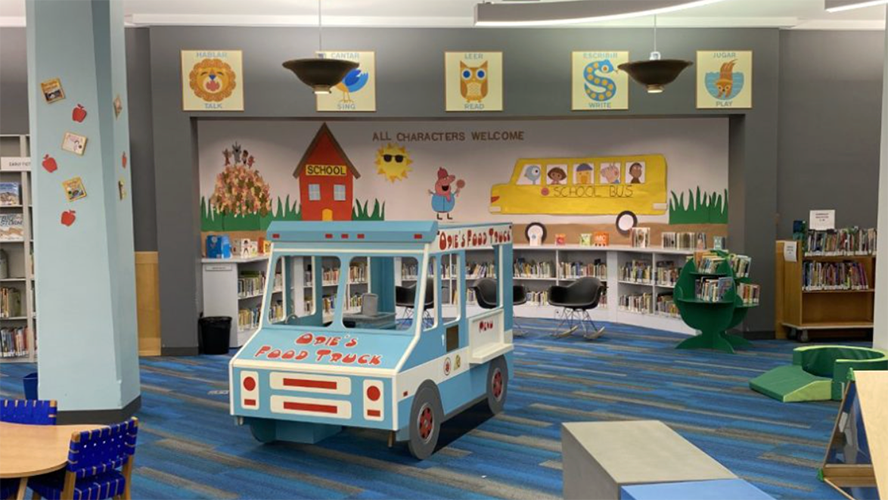
3. Harold Washington Library Center Offers Quiet Indoor Space 

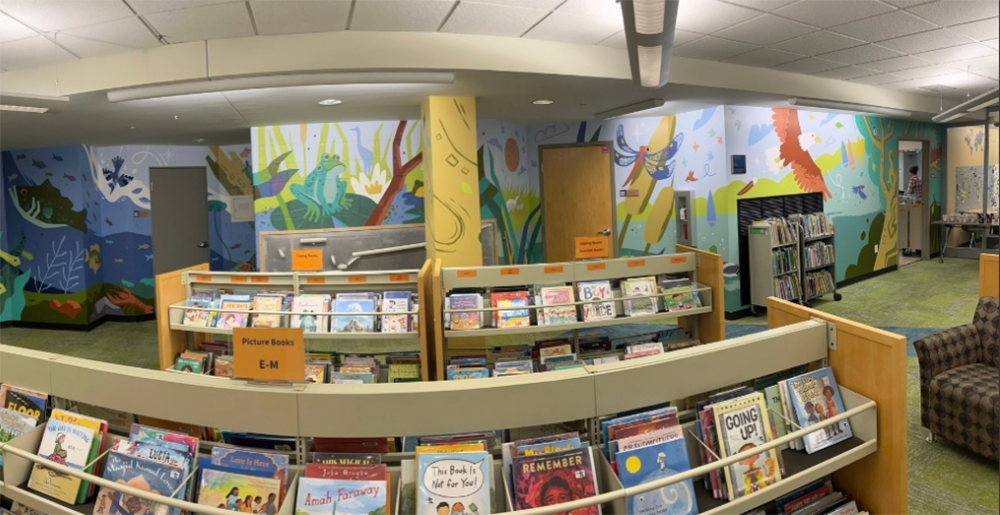
Harold Washington Library Center provides families with a calm indoor option. The children’s areas offer flexible seating, open reading spaces, and quiet surroundings that can feel less overstimulating than many downtown attractions. 

Tip for families: Ride the elevator to the children’s floor before exploring the rest of the building. A quieter starting point can make transitions easier for some children. 

4. Field Museum Creates Predictable Paths Through Large Exhibits 

The Field Museum can feel large and busy, but many exhibits follow clear layouts that help families move at their own pace. Wide hallways, benches, and quieter corners throughout the museum allow children to pause and reset without needing to leave entirely. 

Tip for families: Skip weekends, if possible, and plan one or two exhibits rather than trying to cover the entire museum in one visit. 

5. AMC River East Offers Sensory-Friendly Screenings 

AMC River East 21 participates in AMC’s sensory-friendly film program in partnership with the Autism Society. During these screenings, the lights stay dim instead of fully dark, the sound volume is lower, and children may move around more freely during the movie. 

Tip for families: Choose aisle seating near the back of the theater so your child can step out for movement breaks without feeling rushed or disruptive. 

Support Is Close to Home 

Finding sensory-friendly spaces can help families feel more confident about exploring their community and spending time together outside daily routines. 

Total Spectrum, part of LEARN Behavioral, works with families across Chicago to help children through applied behavior analysis (ABA) therapy and related services that focus on communication, daily living skills, and routines. If you are looking for support in the Chicago area, Total Spectrum is here to help you take the next step.   

Autism Learning Center Opens Doors in Kalamazoo, MI with Ribbon Cutting Celebration

Total Spectrum welcomes families to their new location.

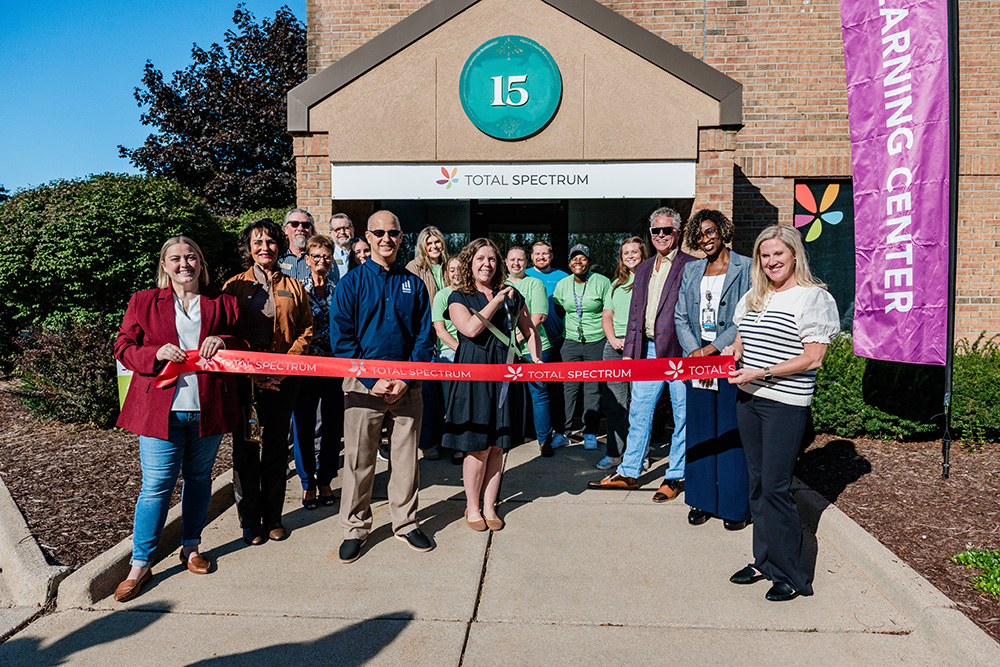
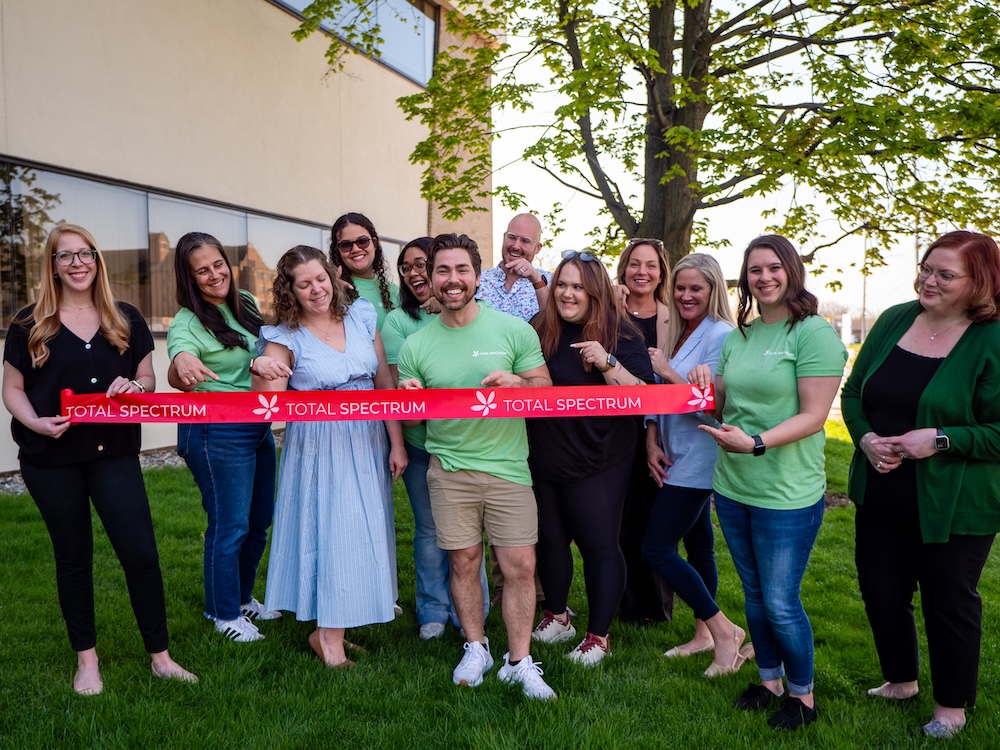
Total Spectrum, a provider of LEARN Behavioral, is proud to open its doors with a ribbon-cutting celebration at its new Kalamazoo Learning Center, 1722 Shaffer St., Suite 4, Kalamazoo, MI, 49048.

A ribbon-cutting celebration hosted by the Southwest Michigan First Chamber of Commerce was held on April 22, 2026.

During the ribbon-cutting ceremony, Clarence Lloyd, Vice President of the Southwestern Michigan First Chamber, and Mayor David Anderson shared greetings and remarks.

Members of the Southwest Michigan First Chamber of Commerce and other guests were in attendance.

Ribbon-cutting attendees were able to tour the facility, enjoy light refreshments, and meet Total Spectrum’s leadership team, Melissa Furman, MA, BCBA, LBA, Regional Clinical Director, and Trisha Johnson, MA, BCBA, Senior Regional Director.

“We’re proud to expand our reach and bring compassionate, high-quality ABA therapy to more families in the greater Kalamazoo area,” said Melissa Furman, Regional Clinical Director. “At Total Spectrum, we tailor our services to each child and family—offering age-appropriate, engaging learning experiences rooted in science and guided by care.”

Total Spectrum is Michigan’s premiere contemporary applied behavior analysis (ABA) provider of center-based autism services for children and young adults ages 2-21 years. The new Kalamazoo Learning Center provides center-based ABA therapy, early learner and school readiness programs, Social Skills Programs, and parent education. Outside of the center, the Kalamazoo team offers in-home ABA therapy. 

Left to right:  Allie Bierling, Managing Behavior Analyst; Mayor David Anderson; Melissa Furman, Regional Clinical Director; and Trisha Johnson, Senior Regional Director

No Waitlist, Flexible Hours, and Convenient Location

The Kalamazoo Learning Center offers after-school and weekend treatment hours to accommodate busy family schedules. There is no waitlist. The center is conveniently located and easily accessible via I-94, US 131, and M-96 for families in the region.

For more information or to enroll a child at the new Kalamazoo Learning Center, call (844) 263-1613 or visit https://totalspectrumcare.com/locations/kalamazoo

About Total Spectrum

Total Spectrum is part of the LEARN Behavioral network, one of the nation’s leading providers of contemporary ABA therapy. Total Spectrum has been delivering evidence-based services for more than 10 years, helping children and young adults with autism find success and reach their unique potential.

About LEARN Behavioral

LEARN Behavioral is a national leader in autism treatment, offering comprehensive diagnostic services and contemporary applied behavior analysis (ABA) therapy for children with autism spectrum disorder (ASD). With a nationwide network of ABA providers and more than 100 Learning Centers across the country, LEARN delivers the highest standard of evidence-based care—customized to meet the unique needs and interests of each child and family. For more information, visit learnbehavioral.com.

Autism Learning Center opens doors of second location in Chicago with ribbon-cutting celebration

Total Spectrum welcomes families to their new location.

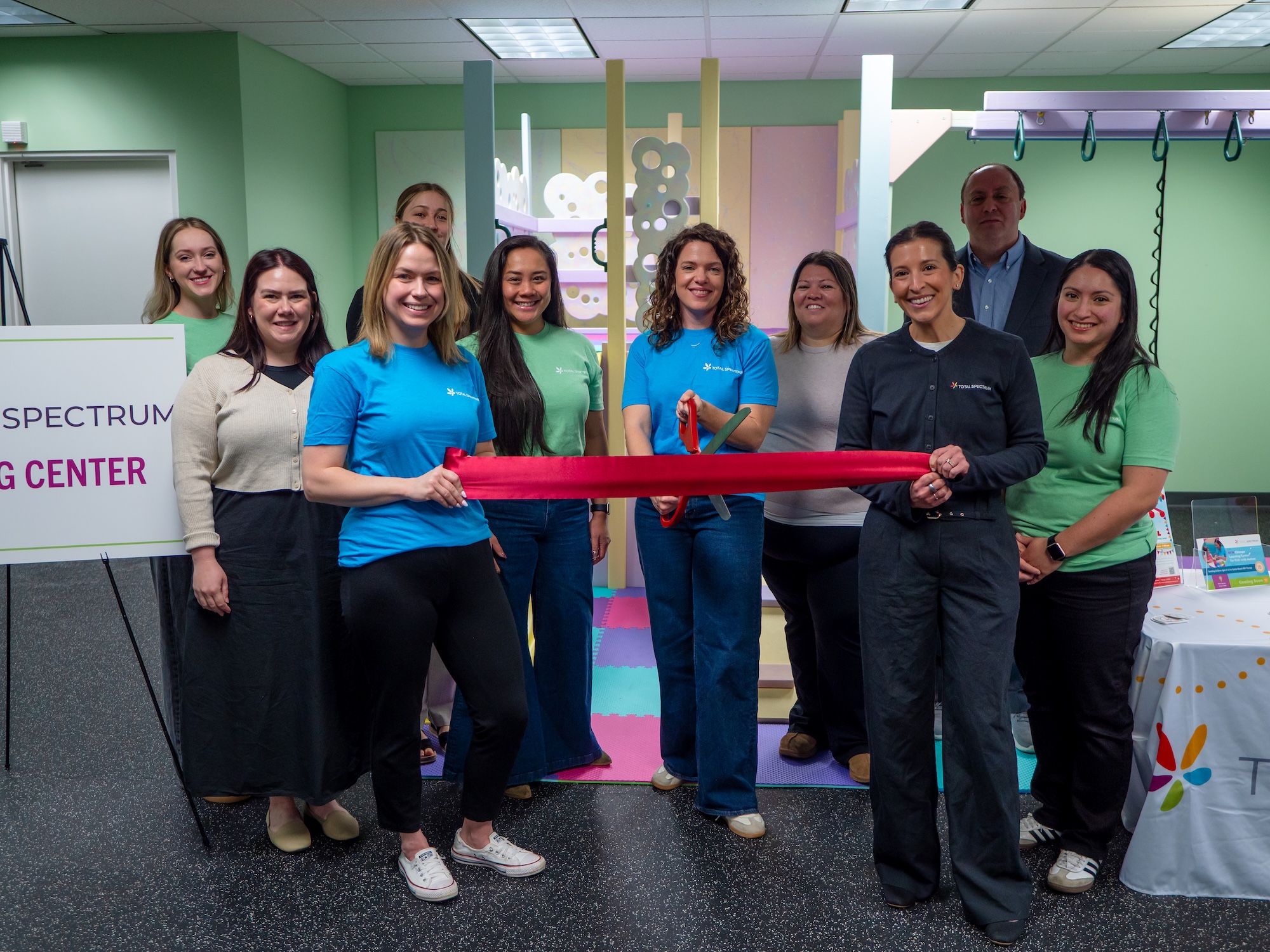
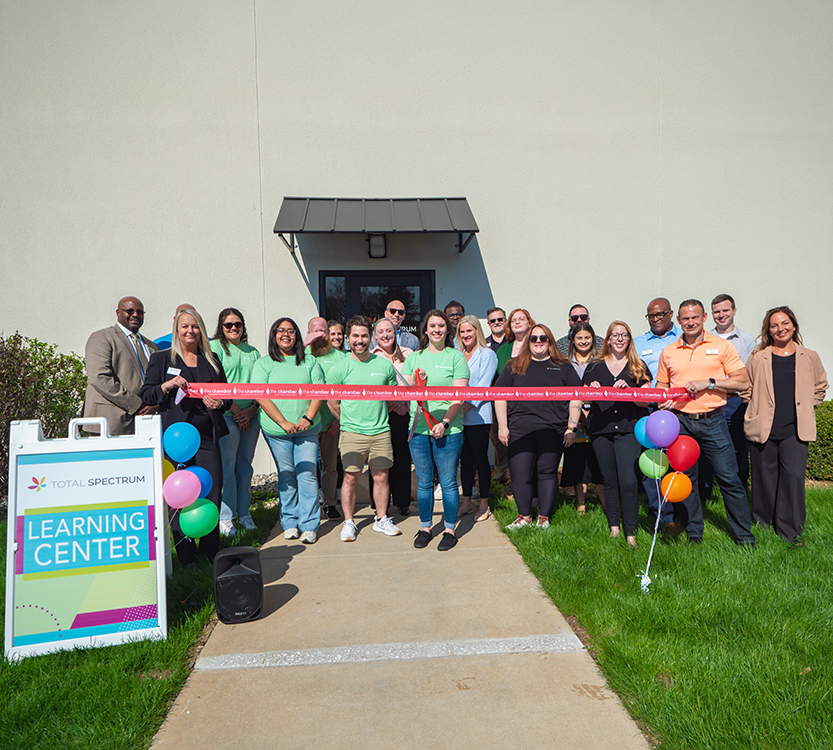
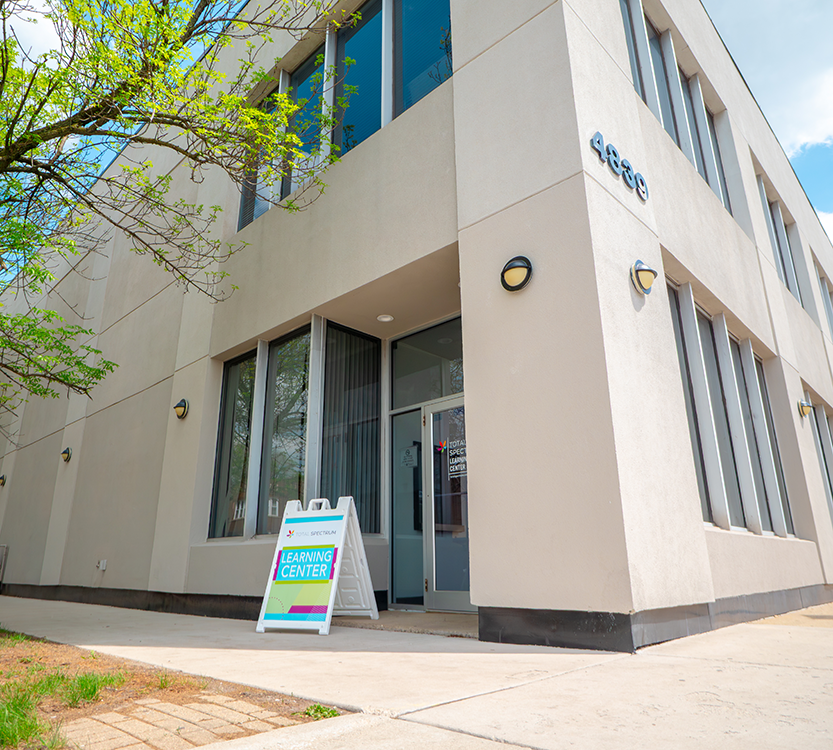
Total Spectrum, a provider of LEARN Behavioral, opened the doors of its second Chicago location with a ribbon-cutting celebration at 4839 N Elston Ave., Chicago, IL 60630.

The ribbon-cutting celebration, hosted by the Albany Park Chamber of Commerce, was held on April 23, 2026.

During the ribbon-cutting ceremony, Samantha Brewer, representative for Alderman Samantha Nugent, and Karen Milroy, Economic Development Specialist and Albany Park Chamber of Commerce Lead, offered greetings and remarks. Albany Park Chamber of Commerce members and other guests were in attendance.

Ribbon-cutting attendees were able to tour the facility, enjoy light refreshments, and meet Total Spectrum’s leadership team, Megan Romero, MA, BCBA, LBA, Center Director, and Blair Monfre, MS, BCBA, LBA, Regional Clinical Director.

“We’re proud to expand our reach and bring compassionate, high-quality ABA therapy to even more families in the greater Chicago area,” said Megan Romero, Center Director. “This new space was designed to support both individual growth and peer collaboration. It’s a place where children can gain essential skills—and where their journey toward success in school and life begins.”

Total Spectrum is Illinois’ premiere contemporary applied behavior analysis (ABA) provider of center-based autism services for daytime, after-school, and weekend hours for children and young adults ages 2-18 years. The new Chicago Learning Center also provides Social Skills Programs where kids learn, play, and build friendships.

Total Spectrum now has five Learning Centers in northern Illinois: Arlington Heights, Aurora, and Lombard, and two locations in Chicago – on Elston Ave. and South Wabash Ave.

Total Spectrum Chicago accepts most private insurance in addition to Medicaid. The center is now enrolling clients with no waitlist and scheduling based on each family’s unique needs. 

For more information or to enroll a child at the Chicago Learning Center, contact 844-263-1613 or visit https://totalspectrumcare.com/locations/chicago

Left to right: Jessica Schrader, Behavior Analyst; Samantha Brewer, representative for Alderman Samantha Nugent; Megan Romero, Center Director; Karen Milroy, Economic Development Specialist and Albany Park Chamber of Commerce Lead, North Riber Commission; Gabrielle Torralba, Behavior Analyst; Blair Monfre, Regional Clinical Director; guest; Rachel Miller, Behavior Analyst; guest; and Elizabeth Barajas, Behavior Analyst.

Access to Exceptional Care

Dedicated to providing access for all and delivering exceptional care, the Total Spectrum Learning Center is part of the LEARN Behavioral network, one of the nation’s leading providers of contemporary ABA therapy. Total Spectrum has been delivering evidence-based services for more than 10 years, helping children and young adults with autism find success and reach their unique potential.

About LEARN Behavioral

LEARN Behavioral is a national leader in autism treatment, offering comprehensive diagnostic services and contemporary applied behavior analysis (ABA) therapy for children with autism spectrum disorder (ASD). With a nationwide network of ABA providers and more than 100 Learning Centers across the country, LEARN delivers the highest standard of evidence-based care—customized to meet the unique needs and interests of each child and family. For more information, visit learnbehavioral.com.

Autism Learning Center Opens New Location in Chicago, IL

Total Spectrum Relocates from National Louis University Campus to South Wabash Ave.

Total Spectrum, a provider of LEARN Behavioral, has relocated its Learning Center from the campus of National Louis University (NLU) to 228 South Wabash Avenue, Suite 1000, in Chicago, IL.

Total Spectrum is Illinois’ premiere contemporary applied behavior analysis (ABA) provider of center-based autism services for daytime, after-school, and weekend hours for children and young adults ages 2-16 years.

Total Spectrum relocated to South Wabash Avenue after having outgrown its three classrooms at its Learning Center on the NLU campus. The new, expansive location is 4600 sq. ft. and will support current client families and help Total Spectrum meet the growing demand for ABA services.

Special Partnership with NLU

The Learning Center on South Wabash Avenue will also continue to support Total Spectrum’s Accelerate U Partnership with NLU, which gives NLU students the opportunity to earn their Registered Behavior Technician (RBT) certification and work with Total Spectrum. The partnership has three cohorts of 10–15 students per year.

“We are excited to continue to serve families in the Greater Chicago area at our larger South Wabash Avenue location,” said Blair Monfre, MS, BCBA, Regional Clinical Director. “We value being a part of the community and look forward to helping find success for every child in our care.” 

Key Features of the new Chicago Learning Center on South Wabash Avenue:

  • Large facility, which includes a gross motor room for physical and social development.
  • ABA therapy, which includes a learning-rich environment, unique play-based learning spaces, and one-on-one support.
  • No waitlist, after-school sessions, and Saturday treatment hours to accommodate busy family schedules.
  • Serving children ages 2-16 years with personalized therapy plans.
  • Easily accessible via public transportation for families in the region.

Total Spectrum Chicago accepts most private insurance in addition to Medicaid. The center is now enrolling clients with no waitlist and scheduling based on each family’s unique needs. 

Access to Exceptional Care

Dedicated to providing access for all and delivering exceptional care, the Total Spectrum Learning Center is part of the LEARN Behavioral network, one of the nation’s leading providers of contemporary ABA therapy. Total Spectrum has been delivering evidence-based services for more than 10 years, helping children and young adults with autism find success and reach their unique potential.

Total Spectrum has five Learning Centers in northern Illinois: Arlington Heights, Aurora, and Lombard, and two locations in Chicago: on Elston Avenue in the northwest area of Chicago, and their newest location on South Wabash Avenue.

For more information or to enroll a child at one of the Chicago Learning Centers, contact 844-263-1613 or visit https://totalspectrumcare.com/locations/chicago

About LEARN Behavioral

LEARN Behavioral is a national leader in autism treatment, offering comprehensive diagnostic services and contemporary applied behavior analysis (ABA) therapy for children with autism spectrum disorder (ASD). With a nationwide network of ABA providers and more than 100 Learning Centers across the country, LEARN delivers the highest standard of evidence-based care—customized to meet the unique needs and interests of each child and family. For more information, visit learnbehavioral.com.

LEARN Behavioral Opens New Autism Learning Center in Lansing, MI
No Waitlist for Daytime Hours and Flexible Treatment Hours for Michigan Families

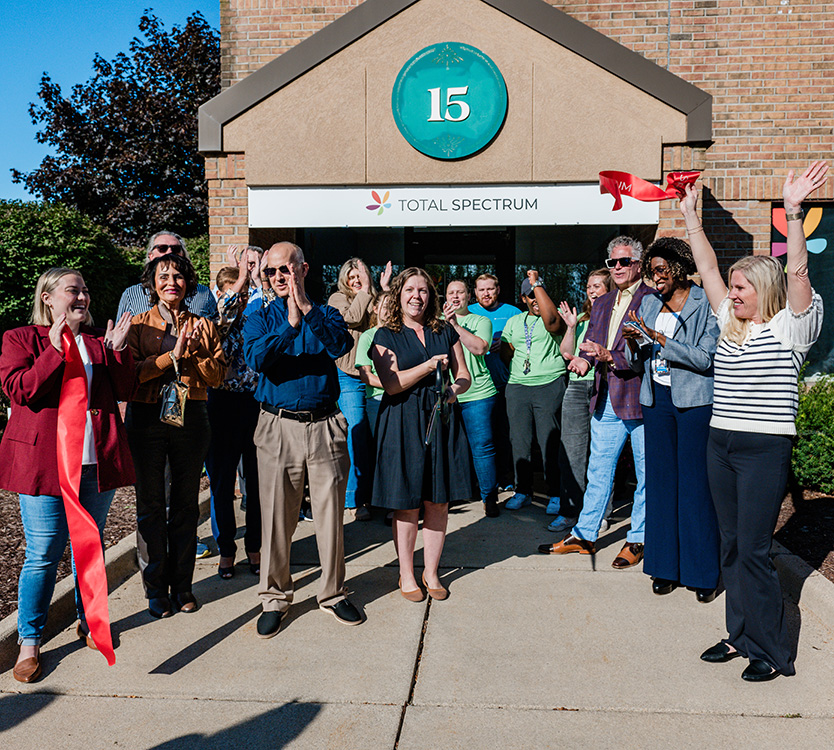
Total Spectrum, a provider of LEARN Behavioral, is proud to announce the grand opening of its new Lansing Learning Center at 111 Edgewood Blvd., Suite 14 & 15, Lansing, MI 48911.

Total Spectrum is Michigan’s premiere contemporary applied behavior analysis (ABA) provider of center-based autism services for children and young adults ages 2-22 years. The new Lansing Learning Center provides center-based and in-home ABA therapy and parent education.

“We are excited to open our doors and bring compassionate, contemporary ABA therapy for children and young adults with autism spectrum disorder (ASD) to Lansing and the surrounding area,” said Cheryl Geniesse, M.A., BCBA, Regional Clinical Director.  “We look forward to helping find success for every individual and family.”

Key Features of the Lansing Learning Center:

  • ABA therapy, which includes a learning-rich environment, unique play-based learning spaces, and one-on-one support.
  • No waitlist for daytime hours and weekend (Saturday) treatment hours to accommodate busy family schedules.
  • Serving children and young adults ages 2-22 years old with personalized therapy plans.
  • Conveniently located within the Lansing School District and easily accessible via I-96, M-96, and public transportation for individuals and families in the region.

The center is now enrolling new clients based in Lansing and beyond, with no waitlist for daytime hours and flexible treatment hours.

About Total Spectrum

Total Spectrum is part of the LEARN Behavioral network, one of the nation’s leading providers of contemporary ABA therapy. Total Spectrum has been delivering evidence-based services for more than 10 years, helping children and young adults with autism find success and reach their unique potential.

Total Spectrum has locations throughout Michigan. For more information or to enroll a child at the new Lansing Learning Center, call (844) 263-1613 or visit https://totalspectrumcare.com/locations/lansing

About LEARN Behavioral

LEARN Behavioral is a national leader in autism treatment, offering comprehensive diagnostic services and contemporary applied behavior analysis (ABA) therapy for children with autism spectrum disorder (ASD). With a nationwide network of ABA providers and more than 100 Learning Centers across the country, LEARN delivers the highest standard of evidence-based care—customized to meet the unique needs and interests of each child and family. For more information, visit learnbehavioral.com.

Q&A About ABA Therapy for Children with Autism: FAQ for Caregivers

Was your child recently diagnosed with autism? Are you beginning to navigate treatment for your child? Before you get started, check out these seven FAQs about ABA therapy.

What is the goal of ABA therapy?

ABA therapy is designed to support autistic individuals and their families, achieve their identified goals, and improve their quality of life. ABA-based interventions are supported by decades of research and enhance social, communication, play, and adaptive skills. Services incorporate the needs and interests of the autistic individual and their caregiver(s). A behavior analyst delivers the ABA services with the help of behavior technicians, who often provide direct care to the autistic individual. Services are tailored to the individual’s unique needs, with their feedback, and evolve over time. Services for children may look quite different than services for adults, given the individuals’ needs differ over time.

What is “contemporary ABA therapy”?

At LEARN, we refer to our approach as “contemporary ABA.” It is an evolved approach to ABA therapy that promotes individualized treatment, naturalistic and play-based teaching, and is person-centered. LEARN provides a contemporary approach that acknowledges the evolution of ABA, values the individual and their family, and creates space for individuality. Practicing contemporary ABA means that our behavior analysts deeply understand their responsibility to positively and meaningfully impact the lives of the individuals served.

How many hours of ABA therapy will my child receive?

Your child’s hours will be determined between you and your behavior analyst. Your behavior analyst recommends hours based on assessing your child’s needs, other therapies received, and your feedback as the parent/caregiver. Focused programs range from 10-25 hours per week, and comprehensive programs range from 30-40 hours weekly. At LEARN, we provide home-based, center-based, and community-based services, and you can reach out to your local clinical director to find out which services are available in your area.

Are your ABA therapy services individualized?

Absolutely! Each autistic person we serve is unique, and we believe that should be celebrated. Our goal is to promote individual interests and incorporate those into ABA therapy. Behavior analysts make individualized recommendations for services, including hours based on the child and customized goals that fit their needs. Behavior therapists receive training on how to understand the preferences of their clients and include those in sessions to make them fun, rewarding, and engaging.

How is neurodiversity integrated into your approach to ABA therapy?

Listening to the perspective of autistic folks has informed our approach to ABA therapy and led us to incorporate neurodiversity into our practice. Our goal is to elevate the autistic voices in our community, including the individuals we serve, our neurodivergent employees, and the greater neurodivergent community. We’re deeply committed to person-centered ABA therapy practices and promote assent-based care, meaning we validate the identities and experiences of neurodivergent folks and create space for autistic voices to be heard and upheld.

Will my child be required to do discrete trials and sit at a table?

Not all autistic folks benefi t from discrete trials or tabletop work. For example, a two-year-old child with lots of energy may benefit more from a play-based approach with the therapist sitting on the floor and embedding learning opportunities in play with their favorite toy. Behavior analysts overseeing the treatment plan take time to assess the individual’s needs and work collaboratively with the family to identify an approach to treatment that will work best for the child.

What if someone doesn’t want ABA therapy?

We understand that not everyone seeks ABA therapy, feels it’s the best fit, or perhaps, thinks it’s the right time to try. As with other medical services, the patient (along with their caregiver, if a child) has the right to decide when, if, and what treatment is right for them. Not all ABA therapy providers have the same approach, either, and LEARN supports a family’s right to choose a provider that meets their needs and is a good match for their treatment goals. We want families and our clients to be excited about services and encourage collaboration on our journey together.

The Importance of Fitness to Support Life Skills

Eric Chessen, founder of Autism Fitness, shares his journey to create effective fitness programs for neurodivergent individuals. He emphasizes the importance of understanding their unique needs and challenges as well as the role of fitness as a life skill. He states, “It’s not just for sports or body composition. A lot of our focus is to support activities in daily living.” Eric also discusses the need to raise the standard of practice in the fitness industry to better serve the autism community.

To watch the interview or read the transcription, visit: https://www.allautismtalk.com/episodes/the-importance-of-fitness-to-support-life-skills

All Autism Talk is sponsored by LEARN Behavioral.

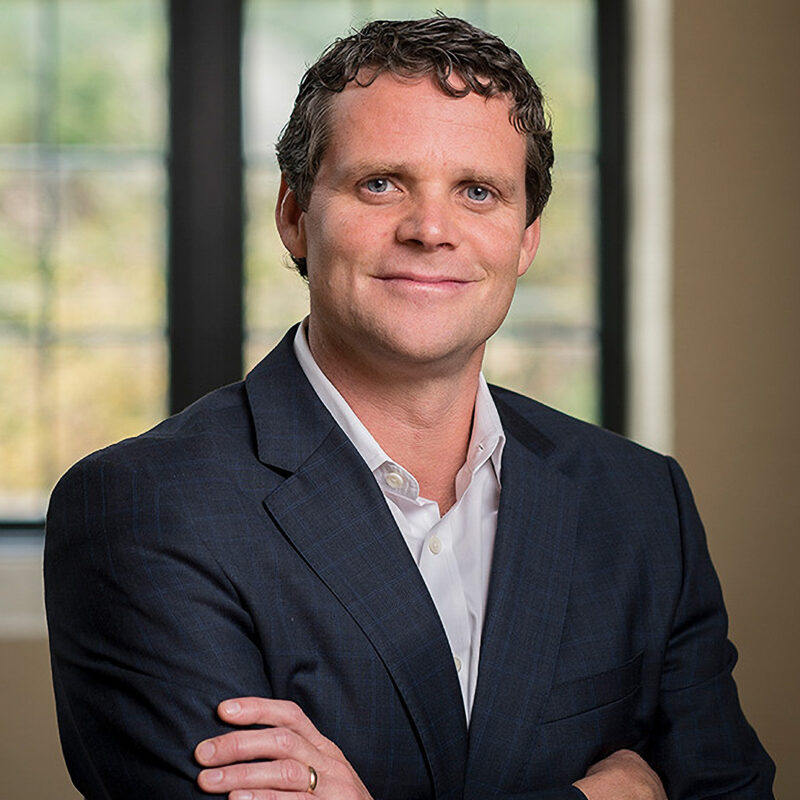
Meet Michael Maloney, Founder and CEO of LEARN Behavioral

Michael Maloney, Founder and CEO of LEARN Behavioral, joins us to share about his early career in education and how a small consulting company grew into an organization that now provides autism services in over 17 states (23 with LEARN Academy). In this conversation, we also explore his insights about the changing landscape of services for families. Michael shares, “In the last ten to twelve years, there has been an absolute sea change. When we started, four states covered services, and now all 50 do. Parents often had to pay out of pocket, and few could afford to. The financial burden has lessened so significantly because of the growing awareness and advocacy.”

Watch the video interview at www.allautismtalk.com.