Water Safety and Autism: What Families Need to Know

In this episode, Dr. Molly O’Shea joins us to discuss the critical importance of water safety for all children, with special attention to the unique considerations for children with autism and other neurodivergent learners. With over 30 years in pediatrics, Dr. O’Shea has spent her career as a speaker, media consultant, journalist, and founder of Birmingham Pediatrics.

Dr. O’Shea shares practical strategies families can use to reduce the risk of drowning, including the importance of active supervision, designated “water watchers,” preparation before water activities, and teaching children essential water safety skills early and often.

The conversation also explores the value of swim lessons, why continuous exposure to water helps build confidence and competence, and the risks of relying too heavily on floatation devices. Dr. O’Shea discusses sensory-friendly swim programs, ways to find the right fit for your child, and how swimming can become both a lifelong safety skill and a source of enjoyment.

Tune in for an important conversation that could help save lives.

View the transcript, show notes, and previous episodes at: https://www.allautismtalk.com/episodes/water-safety-and-autism

All Autism Talk is sponsored by LEARN Behavioral.

Autism Learning Center Opens Doors in Kalamazoo, MI with Ribbon Cutting Celebration

Total Spectrum welcomes families to their new location.

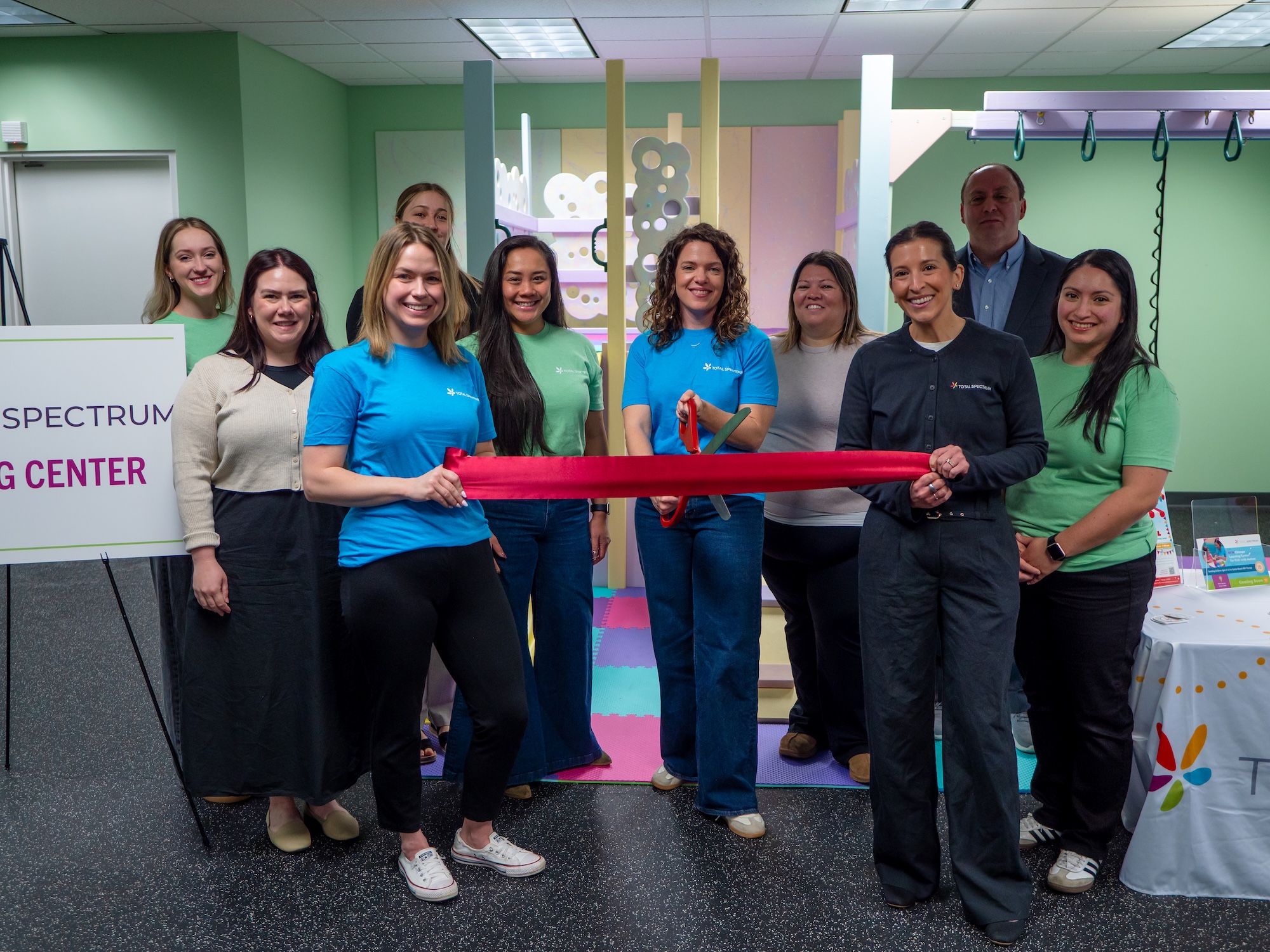
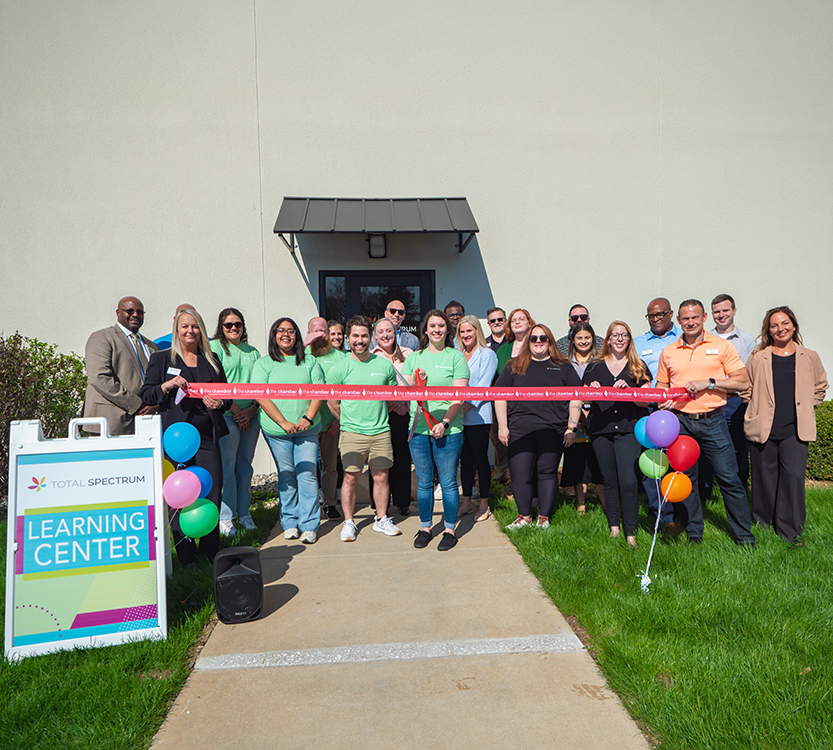
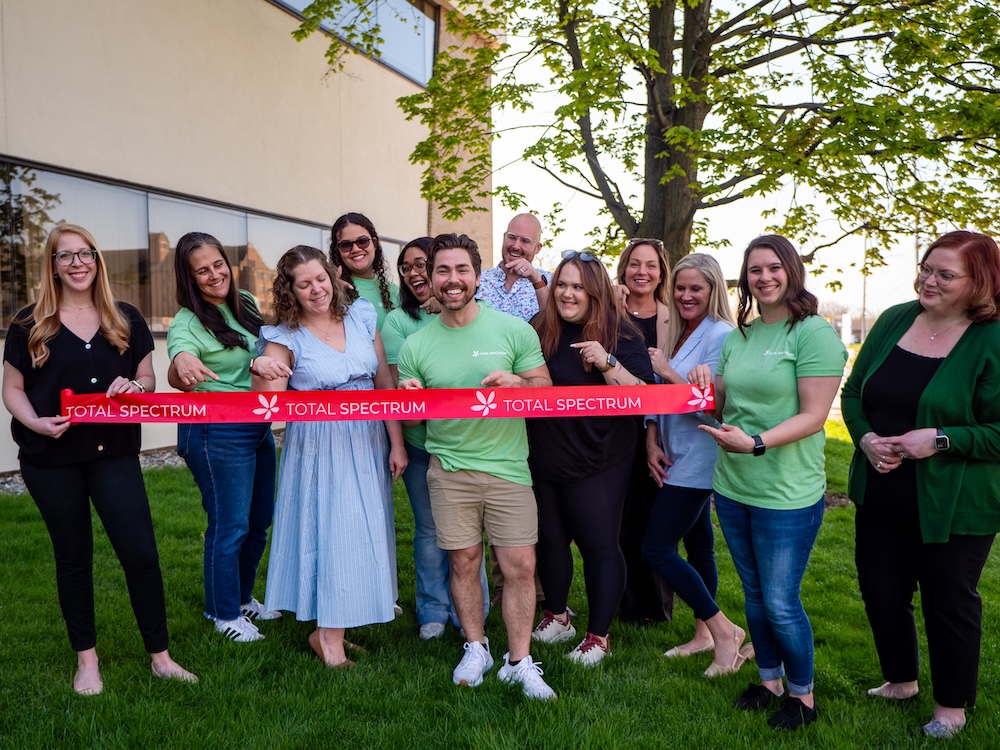
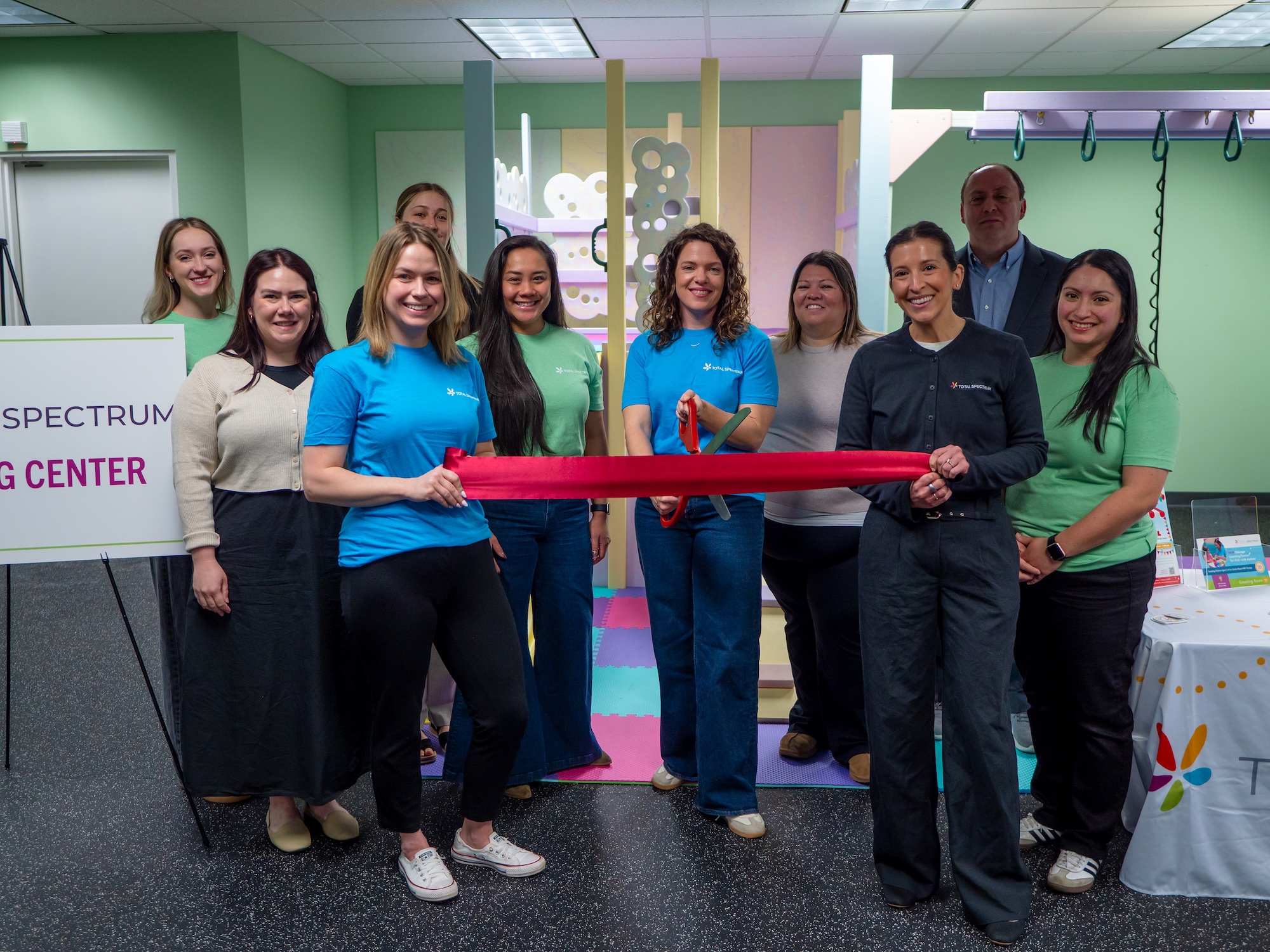
Total Spectrum, a provider of LEARN Behavioral, is proud to open its doors with a ribbon-cutting celebration at its new Kalamazoo Learning Center, 1722 Shaffer St., Suite 4, Kalamazoo, MI, 49048.

A ribbon-cutting celebration hosted by the Southwest Michigan First Chamber of Commerce was held on April 22, 2026.

During the ribbon-cutting ceremony, Clarence Lloyd, Vice President of the Southwestern Michigan First Chamber, and Mayor David Anderson shared greetings and remarks.

Members of the Southwest Michigan First Chamber of Commerce and other guests were in attendance.

Ribbon-cutting attendees were able to tour the facility, enjoy light refreshments, and meet Total Spectrum’s leadership team, Melissa Furman, MA, BCBA, LBA, Regional Clinical Director, and Trisha Johnson, MA, BCBA, Senior Regional Director.

“We’re proud to expand our reach and bring compassionate, high-quality ABA therapy to more families in the greater Kalamazoo area,” said Melissa Furman, Regional Clinical Director. “At Total Spectrum, we tailor our services to each child and family—offering age-appropriate, engaging learning experiences rooted in science and guided by care.”

Total Spectrum is Michigan’s premiere contemporary applied behavior analysis (ABA) provider of center-based autism services for children and young adults ages 2-21 years. The new Kalamazoo Learning Center provides center-based ABA therapy, early learner and school readiness programs, Social Skills Programs, and parent education. Outside of the center, the Kalamazoo team offers in-home ABA therapy. 

Left to right:  Allie Bierling, Managing Behavior Analyst; Mayor David Anderson; Melissa Furman, Regional Clinical Director; and Trisha Johnson, Senior Regional Director

No Waitlist, Flexible Hours, and Convenient Location

The Kalamazoo Learning Center offers after-school and weekend treatment hours to accommodate busy family schedules. There is no waitlist. The center is conveniently located and easily accessible via I-94, US 131, and M-96 for families in the region.

For more information or to enroll a child at the new Kalamazoo Learning Center, call (844) 263-1613 or visit https://totalspectrumcare.com/locations/kalamazoo

About Total Spectrum

Total Spectrum is part of the LEARN Behavioral network, one of the nation’s leading providers of contemporary ABA therapy. Total Spectrum has been delivering evidence-based services for more than 10 years, helping children and young adults with autism find success and reach their unique potential.

About LEARN Behavioral

LEARN Behavioral is a national leader in autism treatment, offering comprehensive diagnostic services and contemporary applied behavior analysis (ABA) therapy for children with autism spectrum disorder (ASD). With a nationwide network of ABA providers and more than 100 Learning Centers across the country, LEARN delivers the highest standard of evidence-based care—customized to meet the unique needs and interests of each child and family. For more information, visit learnbehavioral.com.

Understanding Autism Symbols: Meaning, History, and How They’re Used Today

Symbols help people communicate ideas quickly and create shared understanding. In the autism community, symbols have long been used to promote awareness, signal support, and encourage conversation. Over time, as understanding of autism has expanded through research, advocacy, and lived experience, the symbols used to represent autism have also evolved.

Today, there is no single image that represents every individual or family. Instead, a variety of symbols are used across schools, clinics, community organizations, and digital spaces. Exploring autism symbol history helps provide context for why different images exist and how they are used today across different settings.

This blog explores the history of autism symbols, the most commonly used imagery today, and best practices for choosing symbols that reflect dignity, inclusion, and respect for individuals with autism and their families.

A Brief History of Autism Symbols

The use of symbols to represent autism developed alongside early public awareness efforts. In the mid-20th century, autism was not widely understood, and outreach focused primarily on education and recognition. During this period, symbols were often used to introduce the public to autism and provide a visual reference point for learning and discussion.

As research advanced and diagnostic criteria became more clearly defined, autism awareness expanded beyond clinical settings. Symbols began appearing in educational materials, fundraising campaigns, and community events. Over time, these visuals became familiar to families, educators, and service providers and played a role in shaping early autism education efforts.

Understanding autism symbol history means recognizing that these images reflect the knowledge, language, and priorities of the time in which they were created. As conversations around autism have continued to grow and change, new symbols and designs have emerged to reflect evolving perspectives on inclusion, accessibility, and quality of life.

A Widely Recognized Autism Awareness Symbol

The puzzle piece is one of the earliest and most widely recognized symbols associated with autism. First introduced in the 1960s, it became closely associated with early autism education and public awareness efforts at a time when understanding of autism was still emerging.

Over the decades, the puzzle piece appeared in informational materials, advocacy campaigns, and community programs, becoming a familiar autism awareness symbol for many families, educators, and service providers. For some, it represents early recognition and the growth of autism-related resources and services.

Today, the puzzle piece continues to appear in certain contexts, often paired with language that emphasizes respect, support, and inclusion. As with any symbol, its meaning is shaped by how it is used, the audience it serves, and the values communicated alongside it.

Key considerations when using autism symbols include:

  • Familiarity: Some imagery is widely recognized and easy to identify
  • Audience: Interpretation may vary depending on community and setting
  • Intent: Symbols are most effective when paired with respectful, person-centered language

Common Autism Symbols Used Today

In addition to historically recognized imagery, many other symbols are commonly used to represent autism and the autism spectrum. These designs often emphasize individuality, diversity, and connection.

Rainbow Infinity Symbol

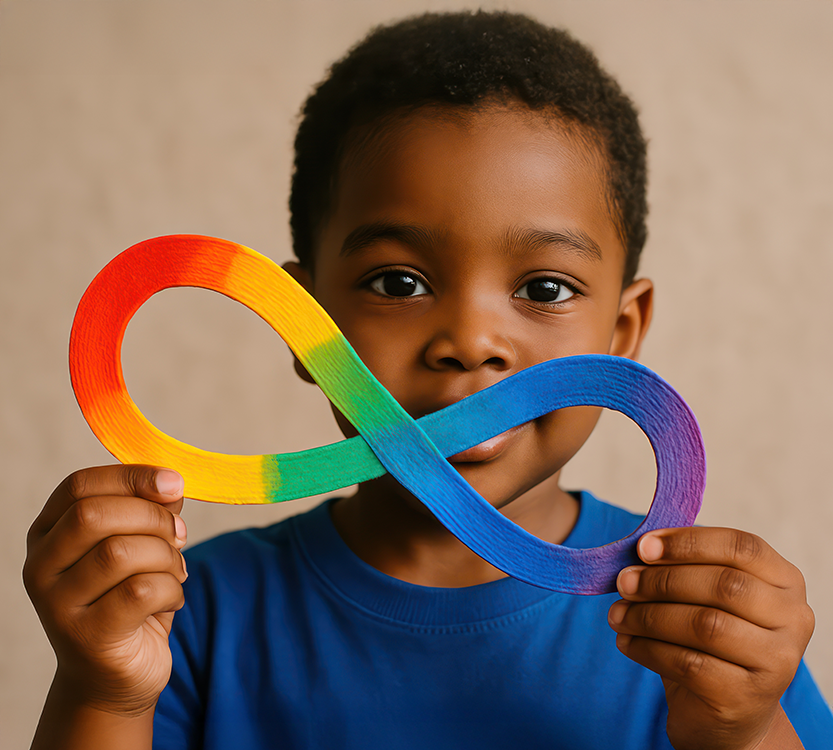
The rainbow infinity symbol is frequently used to represent the wide range of experiences across the autism spectrum. Its continuous shape reflects lifelong identity, while its colors highlight diversity and individuality.

Gold (“Au”) Imagery

Gold imagery, based on the chemical symbol “Au,” is often used in autism-related visibility efforts. Gold themes may appear in ribbons, pins, graphics, and educational materials and are commonly associated with recognition and community connection.

Spectrum-Inspired Designs

Abstract spectrum designs use gradients, flowing shapes, or geometric patterns to reflect variation and uniqueness. These visuals are often used in digital platforms and educational resources.

Heart and Community Motifs

Heart symbols and community-focused imagery are commonly used to express care, support, and connection. These designs highlight relationships and shared understanding.

There is no single official autism awareness symbol. Many organizations and families choose imagery that aligns with their values, audience, and goals.

Why Autism Symbols Matter

Symbols influence how messages are received and understood. In autism-related education and outreach, they can help promote awareness, encourage conversation, and signal support.

Autism symbols are frequently used during awareness and recognition efforts—particularly in April—across social media, schools, clinics, workplaces, and community events. When an autism awareness symbol is paired with clear explanations and meaningful actions, it can reinforce messages of respect, accessibility, and inclusion.

Symbols are most impactful when they are supported by inclusive practices and real-world efforts to support individuals with autism and their families.

Best Practices for Using Autism Symbols

Choosing autism symbols thoughtfully helps ensure they communicate the intended message clearly and respectfully.

Engage Individuals with Autism and Families

Including individuals with autism and family members in discussions about imagery provides valuable insight and helps ensure materials are relevant and respectful.

Clarify Your Purpose

Determine whether your goal is education, awareness, or community support. Your purpose should guide symbol selection and messaging.

Use Respectful, Strengths-Based Language

Symbols should be paired with language that emphasizes dignity, strengths, and access to support rather than focusing on limitations.

Design for Accessibility

Ensure materials are accessible by using high-contrast colors, readable fonts, alt text for images, captions for videos, and clear layouts.

Pair Symbols with Action

Imagery should be connected to tangible efforts such as training, accommodations, educational resources, or partnerships.

Adapt to the Setting

Different environments—schools, clinics, workplaces, and digital platforms—may require different approaches to imagery and messaging.

Using Autism Symbols in Schools, Clinics, and Workplaces

Symbols are most effective when they are part of broader efforts to support understanding and inclusion.

Schools

Schools can introduce symbols alongside age-appropriate explanations and pair them with inclusive teaching strategies, sensory-friendly options, and staff training.

Clinics

In clinical settings, autism symbols should align with respectful, family-centered care. Imagery can help create welcoming environments and support clear communication about services.

Workplaces

In workplaces, symbols can signal inclusive values when paired with flexible policies, clear communication practices, and accessibility accommodations.

Across all settings, explaining what a symbol represents and how it connects to meaningful support helps reinforce trust.

Language and Imagery: Supporting Respectful Representation

Symbols are only one part of how autism is represented. Language and visuals together shape understanding. Thoughtful wording helps ensure messages reflect dignity, autonomy, and respect.

  • Center lived experience by including perspectives from individuals with autism
  • Be specific when describing supports and accommodations
  • Avoid stereotypes or fear-based narratives
  • Invite ongoing feedback from families and the autism community

Frequently Asked Questions About Autism Symbols

Is there one official autism awareness symbol?
No. Multiple symbols are used today, and choice often depends on audience, setting, and purpose.

Why do different organizations use different symbols?
Symbol selection reflects organizational values, goals, and the communities being served.

What colors are commonly used in autism symbols?
Rainbow palettes emphasize diversity, gold imagery is commonly used in awareness efforts, and high-contrast designs support accessibility.

Can symbols be combined?
Yes. Combining design elements can help personalize materials while remaining inclusive and clear.

How can symbols support inclusion beyond awareness?
When paired with education, accessibility, and supportive practices, symbols help promote understanding and meaningful inclusion.

Key Takeaways

  • Autism symbol history reflects evolving understanding, advocacy, and community perspectives
  • Multiple autism symbols are used today, each with historical and contextual significance
  • Symbols are most effective when paired with respectful language and authentic support
  • Accessibility and community input should guide imagery choices
  • True inclusion is reflected in action, not just visibility

By choosing autism symbols thoughtfully, society can communicate dignity, belonging, and meaningful support for individuals with autism and their families.

Looking for support that goes beyond awareness? At LEARN, we believe inclusion is reflected in the care, partnership, and progress we build with families every day. Learn more about our compassionate autism care and how we support children and families across our communities by visiting our website.

Dismantling Ableism and Centering Autistic Voices

Jenny Palmiotto, founder of Love and Autism, joins us to share the inspiring journey behind the movement that’s redefining how we think about autism. Jenny explores what it truly means to create an autistic-affirming world—one where autistic voices are centered, support needs are seen as neutral, and ableism is actively dismantled.

From challenging ableist narratives to finding connection through humor and everyday activism, this conversation reminds us that inclusion starts with listening and learning. Jenny also gives a glimpse into the upcoming Moms Retreat, a nurturing space designed to support mothers of autistic children and build a stronger sense of community.

View the transcript, show notes, and previous episodes at: https://www.allautismtalk.com/episodes/dismantling-ableism-and-centering-autistic-voices

All Autism Talk is sponsored by LEARN Behavioral.

Unlocking Communication: The Story of PECS with Dr. Andy Bondy & Lori Frost

In this episode, we’re joined by Dr. Andy Bondy and his wife, Lori Frost, MS, CCC-SLP, who are the co-founders of Pyramid Educational Consultants, Inc. They’re also the creators of the Picture Exchange Communication System (PECS). Together, they share about the origins and updates of PECS, their work around the world, and the release of the 3rd Edition of the PECS Manual.

We explore the importance of everyday language when discussing effective teaching strategies, the power of collaborative teamwork, and the need for truly individualized support. Andy and Lori also provide a forward-looking perspective on the future of PECS and emphasize why embracing cross-cultural understanding is essential for effective communication.

Join us for this insightful conversation that offers evidence-based communication practices designed to empower parents, educators, and clinicians. 

View the transcript, show notes, and previous episodes at: https://www.allautismtalk.com/episodes/the-story-of-pecs

All Autism Talk is sponsored by LEARN Behavioral.

Haircuts with Heart: Vernon Jackson’s Mission as an Autism Friendly Barber

Vernon Jackson is an award-winning barber, author, and advocate known for transforming the haircut experience for neurodivergent children and their families. In this conversation, he shares his journey of founding The Gifted Event, a nationally recognized initiative providing free, sensory-friendly haircuts to children with special needs. His viral videos and heartfelt storytelling have inspired millions, spotlighting the power of patience, empathy, and inclusion. Vernon emphasizes the importance of community support, trust-building with families, and the emotional aspects of haircuts. In his work, he empowers kids to feel seen, valued, and confident, while challenging the world to embrace differences with compassion and creativity.

View the transcript, show notes, and previous episodes at: https://www.allautismtalk.com/episodes/haircuts-with-heart-vernon-jackson

All Autism Talk is sponsored by LEARN Behavioral.

5 Back-to-School Blogs Every Parent of a Child with Autism Should Read

Returning to school from summer break can be challenging for children, especially those with autism. In our top five back-to-school blogs, you can find information on everything from homework tips to making friendships to reducing school anxiety. The resources below will help your family to ensure your child has a successful school year ahead.

Tips for Reducing Back to School Anxiety

Returning to school from summer break can be overwhelming and cause anxiety for children on the autism spectrum. This blog provides practical tips for parents and caregivers to ease their child’s transition back to school, reduce stress, and promote a smoother start to the new school year.

Back to School: Homework Tips

Establishing effective homework routines can ease the transition and reduce stress for kids with autism as the school year begins. We provide actionable tips to help parents support their children in managing homework, fostering a more successful academic experience.

Five Steps to Help Your Child with Autism Make Friends

Many parents and caregivers worry about their children with autism making friends and how they can help them foster friendships. In this blog, we outline five practical steps you can take to support your child in developing meaningful connections with peers.

Understanding Your ABA Provider’s Partnership with Schools

Collaboration between ABA providers and schools is crucial for delivering consistent support to children with autism across different settings. This blog explores how these partnerships enhance therapy outcomes by ensuring aligned strategies and effective communication between educators and therapists.

The Importance of Sticking to Consistent ABA Therapy

Consistent ABA therapy is essential for reinforcing positive behaviors and ensuring steady progress in children with autism. This blog highlights why maintaining a regular ABA therapy schedule year-round is vital to achieving long-term success in school and life.

By exploring these insightful blogs, you’ll be better equipped to support your child with autism through the challenges and triumphs of the school year. With the right tools and knowledge, you can help create an environment where your child can thrive in both school and life.

Five Tips for Selecting the Best Holiday Gifts for Kids with Autism

Buying the perfect gift for kids and other loved ones can be challenging, and this can also be true when buying gifts for kids with autism. To help make your gift-giving easier, here are a few helpful tips to keep in mind when purchasing gifts for autistic children.

Focus on what brings the person joy.

Research shows that incorporating interests and preferences into the learning and play environment of kids with autism can increase positive behaviors and aid in skill acquisition (1). With that said, we can capitalize on what someone already likes. For example, if a child likes dogs, shop for games, activities, or toys that are dog-related. If a child enjoys swimming, activities that involve water play may be a hit (e.g., water tables, sprinkler toys, water beads, grow capsules). Alternatively, if a child is sensitive to loud noises, a toy fire truck with a siren may not be appropriate. Ask friends and family of the person for whom you are buying the gift what that person generally likes and/or dislikes.

Focus on the person’s strengths and abilities.

Many toys come with age recommendations, and while these recommendations are helpful, they might not always lead you to the perfect gift. A good rule of thumb when purchasing a gift is to consider the age and the development of the person for whom you are buying a gift. For example, the game “Apples to Apples” would not be developmentally appropriate for a non-verbal teen, even if it is an age-appropriate game. When looking for the right gift, focus on the person’s strengths. For instance, if the non-verbal teen mentioned above is great at drawing, then a sketch pad or an adult coloring book could be a more appropriate gift. If you are unsure about the child or teen’s strengths, ask a friend or family member of the person for whom you are buying the gift about their specialty areas and abilities.

Note: Be sensitive to how family and friends of a child and teen with autism may feel when being asked questions about the skills of their loved one. When asking questions, always frame them from the perspective of accomplishment (e.g., what skills have they mastered) and not deficit (e.g., in what areas are they delayed) to be supportive and respectful of their growth and development.

Be mindful of behavior triggers and safety risks.

Some children with autism engage in behaviors that put them or their loved ones at risk of harm. For example, if a child engages in pica (e.g., eating nonfood items), gifts containing small objects may pose as a choking hazard. Another example is if a child engages in aggression towards others, gifts with violent content may not be appropriate, as additional exposure to violence may interfere with their goals. Alternatively, a sensory-seeking child may benefit from gifts that allow them to stim. For example, if a child rocks back and forth, a swing may be a great way to meet their sensory needs. Additionally, certain objects can elicit sensory sensitivities which can trigger behaviors in some children and teens with autism (e.g., loud noises, highly preferred items, phobias, etc.). Ask friends and family of the person you are buying the gift for if there are any behaviors that possess a safety risk that need to be considered before purchasing a gift.

Focus on toys that encourage interaction with others.

Social deficits are a defining characteristic of autism. When gift-giving, try to purchase gifts that encourage social interaction. While almost any toy or game can be turned into a group play, certain activities may be more conducive to social interactions than others. For example, instead of buying a computer game, consider purchasing “Bop It,” which is an electronic interactive game that can be played among a group of friends or family.

Focus on finding new things they will love.

Children and teens with autism sometimes have restricted or limited interests (e.g., only talking about trucks or only playing with dinosaurs). To help build upon their current interests to introduce them to a wider range of activities, try finding new activities similar to their current interests. For example, if a child’s favorite activity is playing with “Play-Doh,” kinetic sand or slime may be an appropriate gift to help expand their interest due to its similarity in form of play. Ultimately, gifts that will provide new experiences may act as potential new reinforcers (e.g., stimuli that increase behaviors) and could significantly enrich the child or teen’s learning environment.

Resources

Increasing Task Engagement Using Preference or Choice-Making
Some Behavioral and Methodological Factors Affecting Their Efficacy as Classroom Interventions

For more holiday tips, check out Reducing Holiday Stress for Families of Children with Autism and Preparing for Holiday Meals.