Out of the Archives: Female Life on the Spectrum with Jennifer Cook
September 11, 2026
September 11, 2026
COMING SOON—Our NEW Learning Centers in Lansing, Roseville, and Westland, MI! Learn More



FEATURED POSTS



By: Katherine Johnson, M.S., BCBA
Senior Director of Partnerships, LEARN Behavioral
Vaccination visits can be terrifying for an autistic child – a new environment, unfamiliar sounds and smells, being touched by a stranger, and all of this culminating in a painful poke. Anxiety and unwillingness to sit for a vaccine shot can lead to parents and medical professionals winding up with a difficult decision: hold the child down against their will or forego the vaccine. At LEARN, we care about our clients’ health and the experience they have when receiving healthcare.
Recently, the Wisconsin Early Autism Project (WEAP, a LEARN organization) partnered with the Autism Society of Greater Wisconsin in a series of vaccine clinics. These events were carefully designed to provide families with autistic children a positive experience while receiving their COVID-19 vaccines.
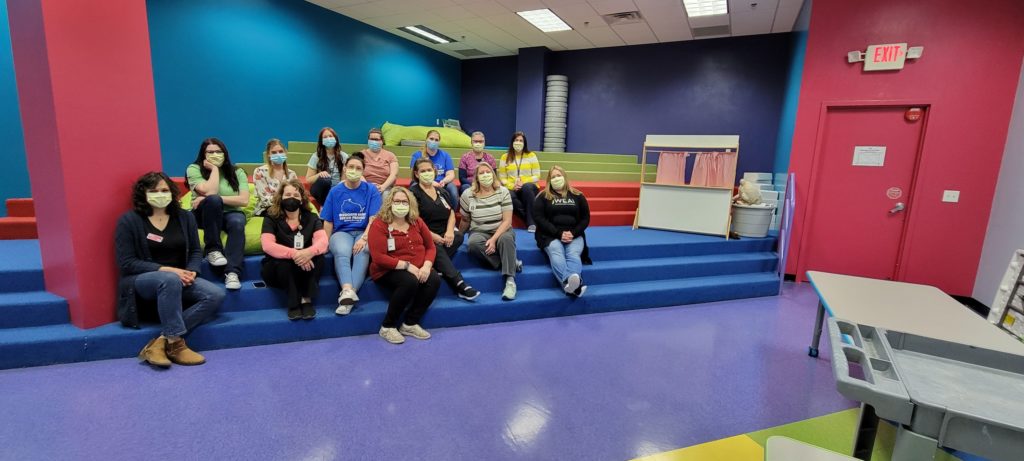
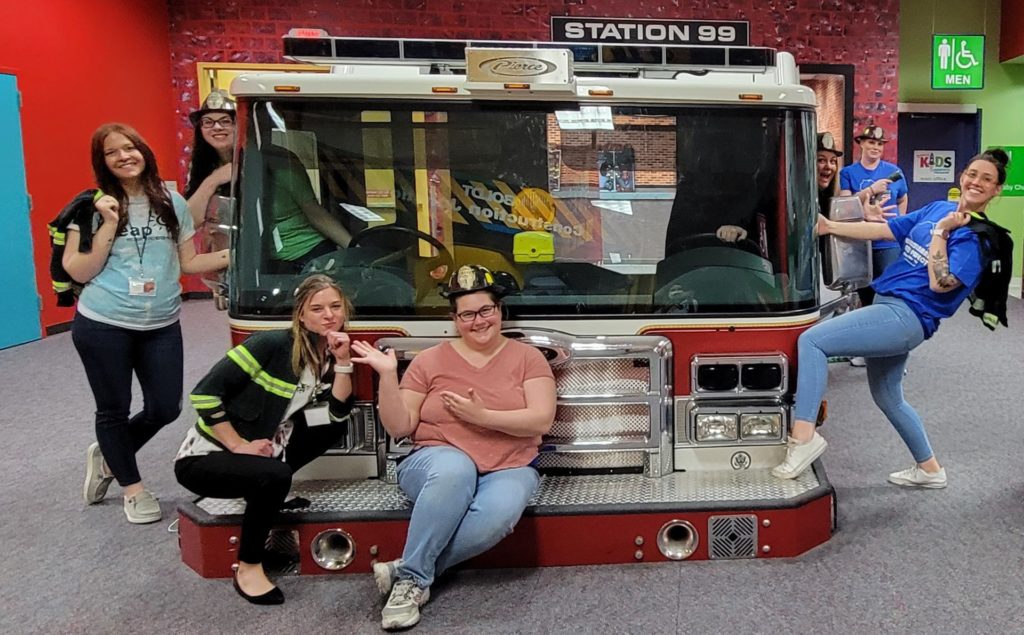
The clinics were held in a local children’s museum, and a pair of seasoned clinicians teamed up with each child, who had reviewed a vaccination social story before coming. Parents answered a questionnaire about their child’s experience with shots and specific interests in advance; clinicians used this information to build rapport with the child, make them comfortable, and provide distraction. Choice was built into the entire experience: children got to select toys, the type of bandage they received, and the body part where they would receive the shot. Clinicians also provided non-invasive devices to mitigate injection pain, like the Buzzy pain blocker, and shot blockers. The most intriguing part? Clinicians waited until the child indicated they were ready before giving them the vaccination.
The result was phenomenal: dozens of autistic children receiving their COVID-19 vaccine without a tear. Kerry Hoops, our Clinical Director at WEAP, said that one experience in particular stood out to her: a boy who was terrified that the shot would hurt, asking about it repeatedly. After assuring him they would not let the shot be a surprise, they spent some time doing one of his favorite activities: having races around the museum. They gave him the opportunity to watch his mother get the vaccine, and then took him to a sensory room in the facility where they watched wrestling (WWE) together. Getting him comfortable was a process that took nearly an hour, but the end result was a child who received his vaccine willingly, and left having had a positive experience. “The coolest thing is seeing the parents’ responses,” said Hoops. “They were so happy because they were not expecting the vaccination experience to go as well as it did.”
The procedures Hoops and our other clinicians at LEARN used are all evidence-based practices commonly used in applied behavior analysis (ABA) called “antecedent interventions.” Frequently, interfering behaviors (like screaming or bolting from a doctor) occur because the child is trying to escape from something uncomfortable or scary. Antecedent interventions are meant to create an environment that the child doesn’t want to escape from. “We’re trying to create a positive experience so when they go in for their next vaccine, they’re not going to be afraid,” says Hoops.
The most groundbreaking component of these vaccine clinics was it was not the medical professional who decided when it was time for the shot, nor was it the parent. It was the child. In addition to using antecedent interventions, our WEAP clinicians also had the medical professionals hold off on the procedure itself until the child had indicated they were willing to receive the vaccine – something known as “gaining assent.”
Assent, having a pediatric patient agree to treatment, is a practice that has been required for medical research since 1977, citing the need to respect children as individuals. Since then, some practitioners have extended assent procedures to their regular pediatric practice, asking for the child’s permission before they listen to their heart, for instance. The new BACB ethics code includes a provision for “gaining assent when applicable,” and proponents argue that Assent-Based ABA prevents difficult behavior and teaches children critical self-advocacy skills. The ability to determine what is and is not comfortable and acceptable for oneself is particularly important for children who struggle to use language, or who are at higher risk of being misunderstood because they are autistic. At LEARN, Assent-Based Programming is one part of our overall Person-Centered ABA Initiative.
Although Assent-Based practice doesn’t guarantee that every child will eventually agree to the procedure (2 children of the 73 children in the clinic did not assent to the vaccine), it was overwhelmingly successful. The impact was evident in the enthusiastic responses from parents afterward. One parent wrote, “Thank you for the BEST vaccination experience ever! Our family was overjoyed to have been part of this clinic.”
LEARN is proud to announce that WEAP and ASGW are planning on expanding their vaccine clinics to regular children’s vaccines in the coming year. For more information, check out the ASGW’s website.
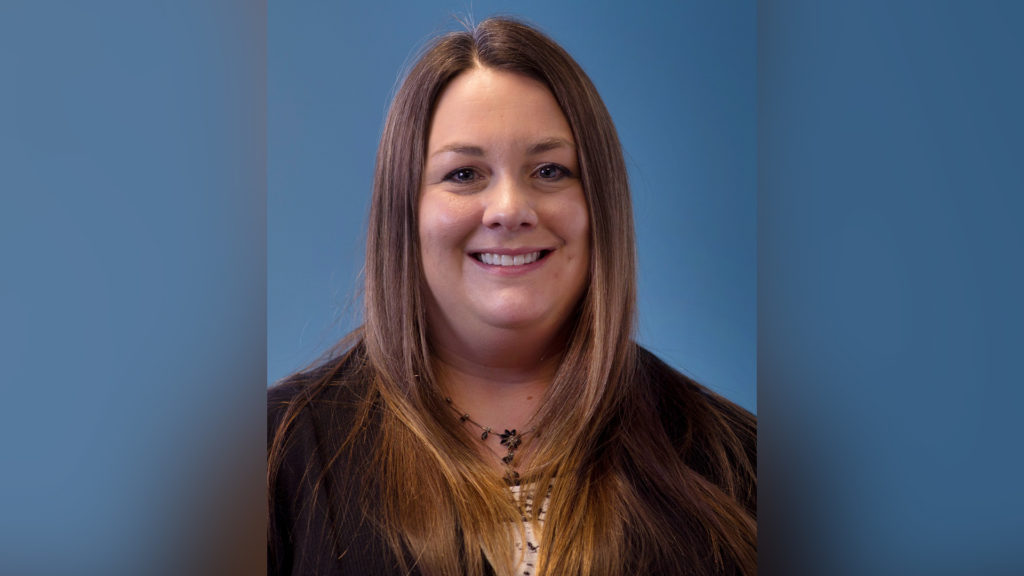
Kerry Hoops, MA, BCBA, is the clinical director for Wisconsin Early Autism Project’s Green Bay region. Kerry began her career helping children with autism over 20 years ago when she was attending UWGB for her bachelor’s in psychology and human development. She fell in love with the job and chose to work in the field of autism as her career. Kerry furthered her education at the Florida Institute of Technology and Ball State University with a master’s in applied behavior analysis and became a board certified behavior analyst (BCBA). She loves helping children and families in Wisconsin and internationally in Malaysia. Kerry also works at the Greater Green Bay YMCA for the DREAM program, focusing on events for socialization for adults with special needs. She has been on the board of directors for the Autism Society of Greater Wisconsin since 2014 and is the acting president.
LEARN more about LEARN’s Person-Centered ABA Initiative. And, to stay connected, join our newsletter.
By: Asia Johnson, BCaBA, Autism Spectrum Therapies
Asia Johnson (she, her, hers) is an Assistant Behavior Analyst in AST’s greater New Orleans, Louisiana region and the co-chair of LEARN Behavioral’s DEI Employee Resource Group.
Walking on her tiptoes was interesting but cute. Rocking back and forwards raised my eyebrows. But the repetitive “I’m going to stop, I’m going to stop,” felt like weights pulling on my heart.
I had never heard the word autistic before. Little did I know that in a matter of months, the diagnosis of autism spectrum disorder (ASD) would be commonplace. I would sit in my living room with tears in my eyes and my phone in hand watching my daughter attempt to self-regulate. I felt helpless. For days this cycle would continue, leaving me uncertain if I was a good mother. I revisited each trimester of my pregnancy, actively attempting to re-evaluate anything I may have done wrong.
A mom of two with limited resources but a Medicaid card ready to go, I assumed it would be a walk in the park to get my daughter evaluated. I naively thought they would immediately tell me what was causing the concerns and provide tools to assist her. I imagined myself falling backwards into a hammock free from the weight of the world only to fall through the very net I assumed would hold me up. I was told there would be a nine-month wait before I’d receive a call about the evaluation. I was devasted. Even more, devasted to learn that if I had private insurance, I could have achieved a diagnosis in a few weeks.
As a Black woman who experienced medical malpractice during my pregnancies, I was on edge. I wasn’t sure I could trust clinicians to have my best interest at heart, let alone my child’s. With the pending evaluation, I wanted help but preferred help from someone who looked more like me. I kept wondering how a white female could relate to my child or me. Culturally we are different, from the way we comb our hair to how we greet another person.
When diagnosis day finally arrived, I was elated to put a name to all the restless nights. My daughter was diagnosed with autism spectrum disorder. I left that day with reassurance that I was indeed on the right track. But as I toured different facilities, I did not see anyone that looked like us. This feeling left me disappointed. No one in my family had walked this path, so I had no help with guidance or insight, but I was determined to obtain some help. As a parent, we are tasked with some minor and some major decisions to make on our children’s behalf; making the natural choice to seek applied behavior analysis (ABA) services was a significant decision in my eyes.
While I was grateful and relieved to finally have a diagnosis, I soon had a new concern. I quickly learned that the field of ABA lacked diversity within leadership roles. The most recent demographic data report by the Behavior Analyst Certification Board (BACB), reports 70.05% of certificants are white, with the remaining identifying as Latinx (10.56%), Asian (6.85%), Black (3.93%), Pacific Islander (0.38%), and American Indiana (0.28%).
My daughter’s primary struggle was with receptive communication. She could speak but would often talk at people. Her conversations would lead to questions she overheard on television: “Did you know your heart is located in your diaphragm?” However, my child was rarely truly interested in the actual response; if she was, she didn’t wait long to receive the answer before jumping in with another medically driven question. It seemed as if her focus was on the oohs and ahhs or the “wow, how smart” conversations that would follow.
ABA was described to me as a treatment option using empirical studies to promote behavior changes among people living with autism spectrum disorder (ASD). ABA included various treatment settings, and my daughter was provided two options. Option one was to have a behavior technician come into our home. The clinician explained how they would use ABA practices to decrease her comorbid diagnosis of sibling rivalry. Option two was an after-school social skills group to target her ability to reciprocate verbal responses when communicating with others. However, both did not resonate with my lifestyle nor my views as a Black parent, especially with the syntactic structures and linguistics I noted in our brief conversation. I often wondered if my family’s values would be accepted or would I have to have a practitioner come into my home and encourage their societal norms, and that was not something I was willing to accept. As a single mom, I also pondered how I would be able to bring my daughter to a social skills group while working a full-time entry-level job.
I wasn’t wrong to worry. Research shows that Black Indigenous Persons of Color (BIPOC) families and those of low socioeconomic status may encounter issues with inappropriate treatment delivery because of different cultural perspectives. I knew BIPOC families receiving treatment from white practitioners could often face implicit biases because of the country’s systematic racism, which frightened me. Unfortunately, the data says white clinicians are likely to make assumptions regarding treatment based on stereotypes and their own lived experiences, leading to inaccurate recommendations. So, I did not move forward with ABA services. I did not feel any facility I visited had clinicians who knew how to properly teach my brown-skinned child how to speak the English language, consistent with my families’ syntactic structures.
This pivotal moment in my life shifted my perspectives and my professional journey. I decided that I could (and would) become the Black clinician I once sought. My journey has been harrowing, and often times I still feel like I remain the elephant in the room. But today, there is a peek of light at the end of the tunnel.
When parents embark on a journey designed to make socially significant changes in their child’s life, resistance is likely to happen when approached by a white clinician – especially in southern regions. The south has been known for racial divides and limited resources for Black communities. Southern states have long represented large Black populations and are often referred to as the Black Belt. Nonetheless, Black patients continue to fight a battle for health equity and justice. ABA services are no different; the Journal of Autism & Developmental Disorders found that African-American children with autism were diagnosed an average of 1.4 years later than white children and spent eight more months in mental health treatment before being diagnosed.
BIPOC patients deserve support in their fight for equal services. BIPOC patients deserve consideration when formingeffective treatment plans. After a long road to a proper diagnosis, families should not face additional challenges in teaching their children the tools necessary for productive and responsible citizenship consistent with their cultures.
My goal as a clinician has always been to inform the world of societal differences that may impact treatment modalities. One example is the lack of acknowledgment often witnessed when practitioners teach verbal and behavioral skills. Often, Black individuals are forced to code-switch. When practitioners not familiar with the cultural nuances in language, work in some homes, they may dictate using what they are familiar with. Code-switching is exhausting, yet many Black individuals are forced to use the “standard language” society deems acceptable in a field focused on effective treatment. As a Black woman, I’m aware of this struggle (and have had to do it in my own life and work). I’m even more aware and conscious that it may be more challenging for those who are autistic to change their behavior readily, let alone the spoken language they are accustomed to hearing.
My experience as a Black Medicaid recipient who crossed various obstacles with my daughter’s diagnosis and treatment process encouraged me to seek out a company devoted to expanding diversity when I finally received my certifications. I am now a Black clinician striving for continued growth with ABA services in the south. I am hopeful for change as I continue to acknowledge cultural differences within my treatment plans.
LEARN pledges to create a community centered around trust, respect, tolerance, and empathy. Read more about LEARN’s DEI journey in our 2021-22 DEI Annual Report and find out how we are investing in our clinicians cultural competence and increasing the diversity of our clinical team. Together, we’re better.
Aggressive behavior is something that parents of children with autism or emotional disabilities are often confronted with on a regular basis. It can be a challenging, frustrating and emotionally draining experience. Through the support of a professional behavior analyst and consistent practices, parents, teachers, and caregivers can address aggressive behaviors in children and adolescents so that they can live productive and independent lives.
Many times when caregivers are faced with aggressive behavior, their impulse is to want to stop the behavior, and they may view the child as misbehaving. However, it’s important to understand that aggressive behavior is sending us a message. Every behavior serves a function— such as making a request, avoiding something, escaping a task or seeking attention. The same is true of aggression. For individuals with limited communication skills, aggressive behaviors can become inadvertently shaped by caretakers and others in their environment.
For example, a child throws a tantrum to gain access to candy. The parent gives the child candy to stop the tantrum. If this interaction repeats itself, the behaviors become reinforced and the child learns that tantruming is rewarded with access to the desired food. Next time, the parent may decide they are not going to give the child candy and so the child tantrums even louder and harder. If the parent gives the child candy, the parent has inadvertently reinforced the behavior. As parents, we all do this in very subtle ways regardless of whether our child has special needs or not, often without realizing that we are shaping our children’s behavior and strengthening the behaviors that are unwanted.
When children are small, it can be less of an issue for parents to manage aggression, or they may think that their child will grow out of it. It is easier to restrain young kids to combat and control outbursts, but if these are the only methods we use, we are not setting our teenagers up for success. It is important to understand why our kids are acting out and what they are trying to communicate. Once we know the “what” and the “why”, we can teach more appropriate means of communication to replace the need for aggression (such as making a verbal request and teaching the child to tolerate “no” when the answer is “no”). If the aggressive behaviors are not replaced by more appropriate functional behaviors, then we run the risk of shaping adolescent aggression which can include physical violence that is more serious and tougher to overcome.
If your child is demonstrating aggression, the best place to start is an assessment of his behavior to understand why the behaviors are occurring. A good assessment will tell you what the function of the behavior is, meaning— why he is acting out and what he is trying to communicate. Then a plan can be put in place to teach new methods for communicating effectively as well as reducing and eliminating the aggression using behavioral strategies.
Here are a few strategies you can use before aggressive episodes start:
In the moment of the aggressive behavior, safety is most important! Do your best to keep yourself and your child safe. If you can redirect your child onto something else or an activity, that might be necessary.
Some parents of adolescents who display aggressive behaviors worry that it is too late for their child to have a fulfilling and independent life. On the contrary, it is never too late to start planning on a future for your child and working towards attainable goals. Think about what you want your child to be doing in a year from now and start working towards that today. If you want your child to ask for the desired item or preferred activity instead of tantruming to get it, start taking small steps now. If you are hoping they will have more friends in a year, start exposing your child to those opportunities and teaching the socially appropriate skills that will afford those opportunities. If you want them to have fewer aggressive behaviors, do not wait a year to start working to improve that behavior. It is never too late or too early to start working towards next year. The results will support your child in having their needs met and experiencing greater success at each stage of development. The ultimate goal is setting your child up for success and helping him achieve as much independence as possible.
-Richie Ploesch, M.A., BCBA, and Ronit Molko, Ph.D., BCBA-D
In September 2020, LEARN convened a group of neurodivergent staff to form our Neurodivergent Advisory Committee. The committee reviews and gives feedback on matters relating to neurodiversity and other person-centered ABA topics and was instrumental in the content, messaging, and visual design of LEARN’s Neurodiversity Values Statement. We asked Ash Franks, a member of the Neurodivergent Advisory Committee, to share her thoughts with us.
Supporting other autistic people while being autistic means listening to what they have to say, however they communicate it, whether it be through an AAC device, sign language, PECS, or verbal language. It also means giving them breaks if they need it, and allowing them to use tools to cope (e.g. stuffed animals, headphones, weighted blankets, etc.). Looking back on my experiences as an autistic child has been very helpful in trying to help children who are at AST.
Being autistic allows me to see different perspectives and ideas compared to neurotypical people, as they tend to think differently than I do.
Basically, we are trying to re-vamp ABA materials through a more neurodivergent-friendly lens, so we can make our treatment as effective as possible. Having autistic people and other neurodivergent people look at ABA therapy through their eyes allows them to explain what works and what doesn’t work. This way, we can work to have treatment be as effective, safe, and as fun as possible for everyone involved. Having BCBAs see the autistic perspective is important because we have direct experience with what worked for us growing up versus what didn’t and might be able to help streamline the treatment to be as effective as possible.
I tend to give feedback on the more artistic and creative side of things, as I am very geared towards having an eye for creative things in the world.
Including autistic people in ABA is super important because we need to account for neurodivergent perspectives to make treatment as effective as possible. Since I am autistic, I can give a firsthand account of what has personally worked for me throughout my life, and what hasn’t. I myself was never in ABA therapy growing up, but I did other types of therapies that I also have found helpful from time to time.
I think listening to autistic perspectives in the workplace would be very helpful. I think having a quiet room for staff that has sensory toys specific for staff would be very helpful, also maybe including a comfy place to sit with a weighted blanket would be good too. Another place it would be helpful to listen to autistic people is when it comes to shopping at malls, since malls can be overwhelming for most autistic people. I know some stores have “quiet” shopping hours where they reduce the lighting and turn off the music, and I really wish more places would do this.
Ash Franks is a Behavior Technician for Learn Behavioral. Ash works in AST’s Hillsboro, Oregon location. Outside of work, she enjoys photography, cooking, video games, and spending time with family and friends.
When a child is diagnosed with autism, parents become charged with finding quality treatment – and the evidence-based recommendation is to seek out Applied Behavior Analysis (ABA). Choosing the specific ABA program that is right for a child can feel daunting, especially if ABA is new territory for a family. In this article, we look at the benefits of a program incorporating both in-home and center-based programs.
Many proponents of ABA like to state, “ABA can be done anywhere.” It is true – but we shouldn’t overlook another important point: the environment itself is a critical component of therapy. Controlling the environment to some degree is frequently part of the teaching process. Selecting a teaching environment is a decision that impacts the rest of the teaching strategy and so also has an effect on progress.
Common teaching environments for young children with autism include center-based ABA therapy, private or public school, a childcare environment, and home programs. While there is not enough research to prescribe a particular environment or model generally for children with autism, many parents and professionals are finding that a multi-site model of a controlled environment (such as a center-based program) and a natural environment (home, childcare, school) provides the best of both worlds.
Benefit #1 – Social skills can be targeted consistently and with children in the child’s community.
It is necessary for peers to be available regularly for consistent teaching; in this respect, a clinic setting is ideal for having regular access to other children to practice target skills. Ultimately, the goal is for the child to interact with the other children in their community, their siblings, classmates, and neighbors. Having a regular home component allows the therapist to work on target skills with the people who will be important in their normal daily life, even if these opportunities aren’t as regular as those in a clinic setting.
Benefit #2 – Controlled Environment vs. Natural Environment: Best of both worlds
A multi-site model allows technicians to address the most challenging skills in a distraction-free environment, but still have access to the home or school setting, with all of its naturally-occurring distractions, to make sure that those learned skills are being put to use.
Benefit #3 – Consistency of the Behavior Plan
When a challenging behavior is treated differently across settings, it is more likely to persist; this set-up can even make the behavior worse in the long-run. The best treatment involves the same plan being followed across the day. Having professionals use a consistent plan in both the home and center environments also supports family members to do the same.
Benefit #4 – Assessment of Generalization
All programs must address the issue of generalization, but a multi-site model is tailor-made for this. Generalization can be specifically addressed right from the beginning, either by teaching in both environments, or by teaching in one place and testing generalization in the other.
Benefit #5 – Ease of Group Work Vs. Ease of Parent Training – You Get Both!
One of the most important aspects of the teaching environment is the people present. In a center-based program, other children are close at hand for social interactions, peer modeling, and working on group instruction, so these parts of therapy can happen regularly. When ABA sessions are at home, it can be more convenient for parents to make themselves available for training. In a multi-site model, the child benefits from both of these types of teaching opportunities.
Whichever provider a family selects, they should be sure to work closely with their team to personalize the child’s program to best meet their needs and the goals for their family.
– Richie Ploesch, M.A., BCBA & Katherine Johnson, BCBA