A New Chapter for All Autism Talk
July 29, 2026
July 29, 2026
COMING SOON—Our NEW Learning Centers in Lansing, Roseville, and Westland, MI! Learn More



FEATURED POSTS

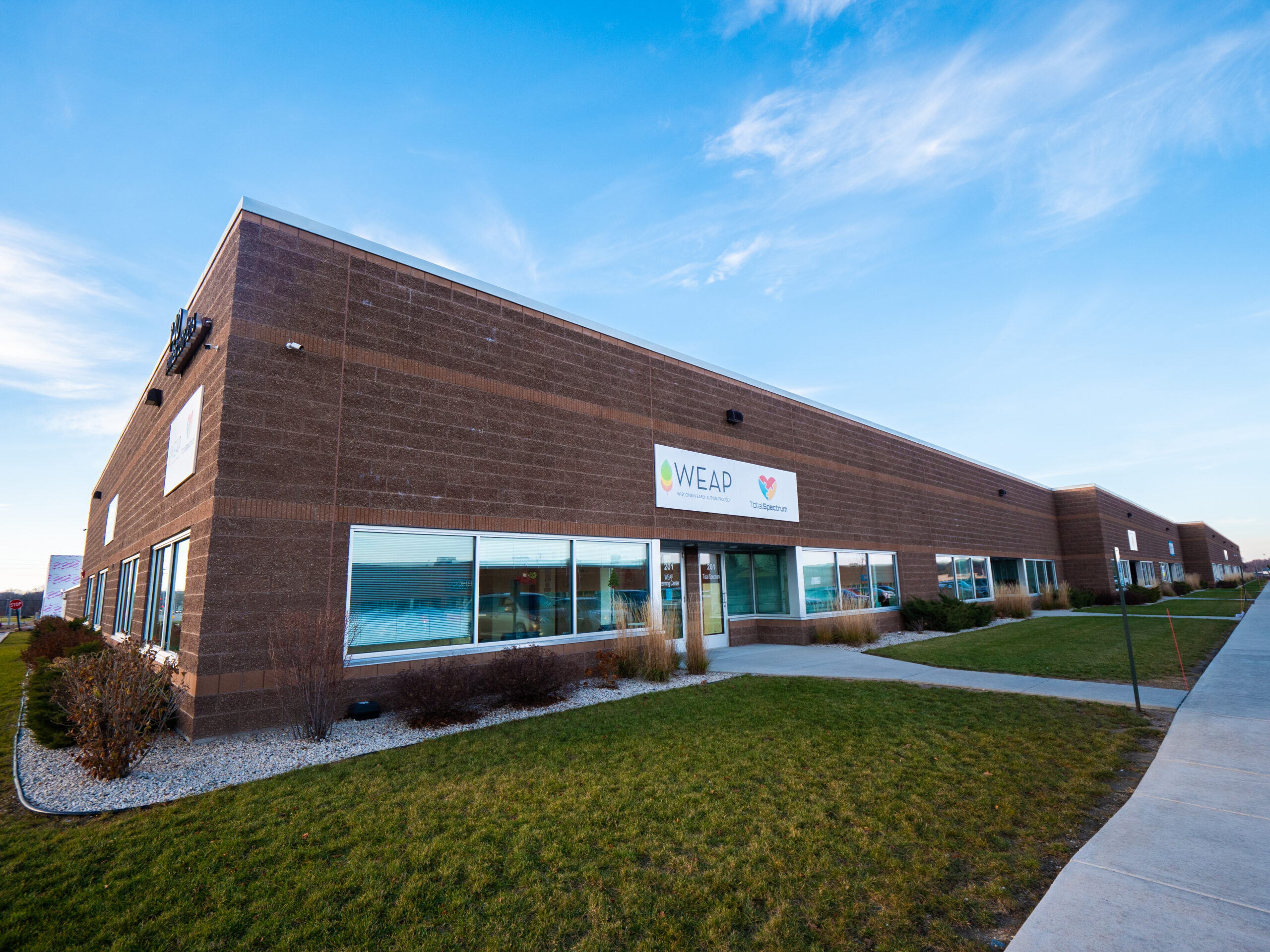
We’re thrilled to have a local ABA therapy Learning Center in Oak Creek, Wisconsin! To learn more about our center, visit here.
In this episode, we’re joined by Dr. Andy Bondy and his wife, Lori Frost, MS, CCC-SLP, who are the co-founders of Pyramid Educational Consultants, Inc. They’re also the creators of the Picture Exchange Communication System (PECS). Together, they share about the origins and updates of PECS, their work around the world, and the release of the 3rd Edition of the PECS Manual.
We explore the importance of everyday language when discussing effective teaching strategies, the power of collaborative teamwork, and the need for truly individualized support. Andy and Lori also provide a forward-looking perspective on the future of PECS and emphasize why embracing cross-cultural understanding is essential for effective communication.
Join us for this insightful conversation that offers evidence-based communication practices designed to empower parents, educators, and clinicians.
View the transcript, show notes, and previous episodes at: https://www.allautismtalk.com/episodes/the-story-of-pecs
All Autism Talk is sponsored by LEARN Behavioral.
In this episode, we sit down with Karem Alnatafgi and Heather Teichman from the Illinois Providers for ABA Access and Quality (IPAAQ) to explore the challenges and complexities of providing high-quality ABA therapy in Illinois. From limited access and inconsistencies in care to the impact of licensure laws and the corporate practice of medicine, they break down the issues that shape the autism services landscape across the state.
While the conversation centers on Illinois, these challenges are far from unique — providers, families, and advocates across the country are facing similar obstacles. Karem and Heather emphasize the power of provider collaboration, community involvement, and advocacy to drive change not just locally, but nationwide.
This conversation offers insight, hope, and a call to action for anyone invested in improving autism services across the U.S.
View the transcript, show notes, and previous episodes at: https://www.allautismtalk.com/episodes/hurdles-of-autism-care-in-illinois
All Autism Talk is sponsored by LEARN Behavioral.
Anthony Ianni was diagnosed with autism as a child, and like many, his parents were given dire predictions about his future. Despite being told he wouldn’t achieve anything in life, Anthony followed in his family’s love of sports and went on to become the first-known Division I player on the spectrum. He shares the challenges he faced, the support he received from his family and coaches, and his current role as a school administrator. Anthony also discusses his advocacy efforts to create sensory-friendly spaces in college arenas.
View the transcript, show notes, and previous episodes at: https://www.allautismtalk.com/episodes/first-division-1-basketball-player-diagnosed-with-autism
All Autism Talk is sponsored by LEARN Behavioral.
Outings with bright lights, loud noises, or large crowds can sometimes feel overwhelming for kids on the autism spectrum.
Sensory-friendly options can help by offering quieter spaces with fewer distractions.
Kalamazoo has several places that offer sensory-friendly activities for kids. From quiet trails to special movie showings, here are five to check out.
Celebration Cinema Crossroads in Portage offers Sensory Showtimes, where lights stay on, the sound is turned down, and kids are free to move around. Some families find it to be a more relaxed way to watch a movie, without the usual sensory overload.
Tip for Families: Bring noise-canceling headphones or a comfort item to help your child settle in. Check the schedule in advance, as showtimes vary by location.
Jungle Joe’s Family Fun Center in Portage is an indoor play center with inflatables. They sometimes offer sensory-friendly sessions with dimmed lights, no loud music, and fewer kids. It can also be a good option if you go during off-peak hours.
Tip for Families: Call ahead to ask about quieter times. Bring socks and something familiar to help your child feel comfortable.
The Kalamazoo Nature Center has quiet trails, wooded areas, and simple indoor exhibits. It’s a calm place for kids to explore without too much noise or distraction. Weekday mornings are usually the quietest.
Tip for Families: Pack snacks, water, and a sensory tool or fidget for breaks.
The Kalamazoo Public Library’s Central Branch hosts events like Family Storytime and Sensory Shenanigans, which feature soft lighting, quiet voices, and predictable routines. These storytimes are designed to welcome all children, including those with sensory sensitivities.
Tip for Families: Ask the staff about sensory-friendly programs and quiet areas. Midweek mornings tend to be the least crowded.
The YMCA of Greater Kalamazoo offers adaptive swim lessons for kids with disabilities and sensory needs. Instructors are trained to create a calm, supportive space, and the lessons are flexible so each child can go at their own pace. It’s a great way for kids to build confidence in the water while feeling safe and supported.
Tip for Families: Call ahead to ask about class times and details. Bring familiar swim gear or a comfort item to help your child feel more at ease.
Finding sensory-friendly activities can make all the difference when planning family outings. These five places in and around Kalamazoo offer welcoming spaces where kids with sensory sensitivities can feel comfortable and included.
These kinds of activities, like quiet walks, calm storytimes, or low-key play, can make it easier for kids to take part and enjoy what’s around them in a way that works for them.
Check out our LEARN Behavioral blog on 5 simple play ideas for more sensory-friendly inspiration.
Looking for additional support for your child in Kalamazoo, MI? At Total Spectrum, we use science and data to deliver contemporary applied behavior analysis (ABA) therapy, tailored exclusively to your child’s unique needs, behavior, and personality. Learn more about our services in Kalamazoo and contact us today!
Dr. Megan Anna Neff, a neurodivergent psychologist (autistic & ADHD) and founder of Neurodivergent Insights, returns to discuss the complexities of the nervous system, particularly autism and ADHD. She helps us understand the difference between sympathetic and parasympathetic responses, the concept of flooding, and the various triggers that can lead to stress responses. Dr. Neff also offers helpful strategies for nervous system regulation and the concept of the ‘window of tolerance’ and how it affects emotional regulation. This discussion is fascinating and valuable for caregivers and anyone with a nervous system.
View the transcript, show notes, and previous episodes at: https://www.allautismtalk.com/episodes/understanding-the-autistic-and-adhd-nervous-system
All Autism Talk is sponsored by LEARN Behavioral.
Language development is a critical component of the day-to-day lives of young children. It is used within a variety of contexts, including playing with peers, building relationships, functionally communicating needs, etc. As such, there is a heavy emphasis on language and communication built into most applied behavior analysis (ABA) programs. Because such a heavy emphasis is placed on language, it is important that practitioners are mindful of the specific language or languages that are incorporated in the therapeutic setting. The Association for Science in Autism Treatment recommends supporting bilingualism for children with autism by encouraging family-centered, culturally sensitive language choices.
By promoting the use of the family’s native language, children have an increased likelihood of communication opportunities with their immediate and extended families, friends, and community. In addition to having more opportunities to communicate, the quality of the interactions will be more meaningful as caregivers are more likely to effectively express their own emotions, hold their child’s attention, and more thoroughly discuss topics of interest when using their native language (Zhou, et al., 2019). There are also benefits to multilingualism outside of the familial unit. Research has shown that children who are raised in multilingual homes tend to demonstrate higher perspective talking skills than children who do not (Zhou, et al., 2019). Despite all of the benefi ts to speaking one’s native language, families often face a number of barriers, especially when seeking out autism-related services.
While we live in a culturally diverse country, English remains the dominant language in most regions of the U.S. When children turn on the TV, chances are the shows they watch are in English. When they go to school, they will receive a primarily English education and their peers will speak primarily English. Autistic individuals who receive behavior analytic treatment in the U.S. are likely receiving those services in English. Despite all of these barriers, there are ways for parents and caregivers to advocate for their bilingual children and family.
One of the first measures to take when selecting a service provider is to request clinicians who speak your native language. Bilingual service providers can be hard to find and it may take time, but let your provider know your preference so they can attempt to hire and/or pair you with appropriate staff members.
In cases where there are no staff members available to provide services in your native language, consider asking for translation services. Even if you are proficient in English, it may be easier or feel more comfortable for you to communicate in your native language. Per the Behavior Analyst Certification Board’s (BACB) Ethics Code for Behavior Analysts, the clinician you are working with should make every effort to effectively communicate with you and provide you with the opportunity to ask questions and participate in the development and implementation of your child’s program.
If your child speaks a language other than English, it is important to discuss the benefits of your child being assessed in that language. Providers use assessment results as a tool to guide the clinical program and decision making. Having the results of the assessment in your child’s primary or dominant languages will give a more accurate picture of your child’s strengths and areas of need. The starting point of the program will be more representative of your child’s language abilities.
Visual tools and stimuli are often used as prompts, supports, and/or reinforcement systems within many ABA programs. These visual supports may serve to outline a schedule for the day, visuals might accompany a short narrative or story describing a social scenario your child might encounter, or you might see visual images used as reminders or prompts of what steps come next in routine with multiple steps, such as hand washing. These visual items should be representative of your child and your family. Discuss incorporating your native language and culture into these items in order to promote their use and acceptance by your child. If your child accepts the stimuli and is motivated to use them, effectiveness of their intended purpose will likely increase.
Per the Ethical Code for Behavior Analysts, your cultural norms, traditions, and expectations should be extended through all aspects of the ABA program. Social interactions, communication, play activities, and activities of daily living are areas that are addressed in many ABA programs and are going to be affected by language, culture, and traditions. Discussing the ways your language and culture impact your day-to-day routines and expectations will help the clinical team develop and implement a program that is best suited to your child and your family.
Serving as the navigator and advocator of your child’s services is a huge role. Advocating for language will often be just as important as advocating for hours, goals, or other supports. Use your team to provide support and to feel empowered to be the advocate your child and your family need.
Was your child recently diagnosed with autism? Are you beginning to navigate treatment for your child? Before you get started, check out these seven FAQs about ABA therapy.
ABA therapy is designed to support autistic individuals and their families, achieve their identified goals, and improve their quality of life. ABA-based interventions are supported by decades of research and enhance social, communication, play, and adaptive skills. Services incorporate the needs and interests of the autistic individual and their caregiver(s). A behavior analyst delivers the ABA services with the help of behavior technicians, who often provide direct care to the autistic individual. Services are tailored to the individual’s unique needs, with their feedback, and evolve over time. Services for children may look quite different than services for adults, given the individuals’ needs differ over time.
At LEARN, we refer to our approach as “contemporary ABA.” It is an evolved approach to ABA therapy that promotes individualized treatment, naturalistic and play-based teaching, and is person-centered. LEARN provides a contemporary approach that acknowledges the evolution of ABA, values the individual and their family, and creates space for individuality. Practicing contemporary ABA means that our behavior analysts deeply understand their responsibility to positively and meaningfully impact the lives of the individuals served.
Your child’s hours will be determined between you and your behavior analyst. Your behavior analyst recommends hours based on assessing your child’s needs, other therapies received, and your feedback as the parent/caregiver. Focused programs range from 10-25 hours per week, and comprehensive programs range from 30-40 hours weekly. At LEARN, we provide home-based, center-based, and community-based services, and you can reach out to your local clinical director to find out which services are available in your area.
Absolutely! Each autistic person we serve is unique, and we believe that should be celebrated. Our goal is to promote individual interests and incorporate those into ABA therapy. Behavior analysts make individualized recommendations for services, including hours based on the child and customized goals that fit their needs. Behavior therapists receive training on how to understand the preferences of their clients and include those in sessions to make them fun, rewarding, and engaging.
Listening to the perspective of autistic folks has informed our approach to ABA therapy and led us to incorporate neurodiversity into our practice. Our goal is to elevate the autistic voices in our community, including the individuals we serve, our neurodivergent employees, and the greater neurodivergent community. We’re deeply committed to person-centered ABA therapy practices and promote assent-based care, meaning we validate the identities and experiences of neurodivergent folks and create space for autistic voices to be heard and upheld.
Not all autistic folks benefi t from discrete trials or tabletop work. For example, a two-year-old child with lots of energy may benefit more from a play-based approach with the therapist sitting on the floor and embedding learning opportunities in play with their favorite toy. Behavior analysts overseeing the treatment plan take time to assess the individual’s needs and work collaboratively with the family to identify an approach to treatment that will work best for the child.
We understand that not everyone seeks ABA therapy, feels it’s the best fit, or perhaps, thinks it’s the right time to try. As with other medical services, the patient (along with their caregiver, if a child) has the right to decide when, if, and what treatment is right for them. Not all ABA therapy providers have the same approach, either, and LEARN supports a family’s right to choose a provider that meets their needs and is a good match for their treatment goals. We want families and our clients to be excited about services and encourage collaboration on our journey together.
Harry Psaros shares his personal journey as a father navigating the challenges of raising a child with autism. He discusses his initial challenges in accepting his son Gus’s diagnosis and his path to being a dedicated advocate. Harry emphasizes the significance of building a social network for families and being of service: “If you are breathing air, you should be helping others.” He also shares his 2% rule, which promotes a clear focus for each day to support incremental improvement and reduce overwhelm.
To watch the interview or read the transcription, visit: https://www.allautismtalk.com/episodes/from-struggle-to-strength
All Autism Talk is sponsored by LEARN Behavioral.
Eric Chessen, founder of Autism Fitness, shares his journey to create effective fitness programs for neurodivergent individuals. He emphasizes the importance of understanding their unique needs and challenges as well as the role of fitness as a life skill. He states, “It’s not just for sports or body composition. A lot of our focus is to support activities in daily living.” Eric also discusses the need to raise the standard of practice in the fitness industry to better serve the autism community.
To watch the interview or read the transcription, visit: https://www.allautismtalk.com/episodes/the-importance-of-fitness-to-support-life-skills
All Autism Talk is sponsored by LEARN Behavioral.