


5 Sensory-Friendly Spots for Families in Westland, Michigan

FEATURED POSTS



September 11, 2026

Families in Westland already know the rhythm of the city. School schedules, library visits, park stops, and errands shape the week. For children with sensory differences, that steady rhythm can provide something essential: predictability.
For many children with autism and other sensory differences, everyday environments register at a higher volume. Fluorescent lighting can feel sharp. Echoing spaces can magnify ordinary sound. A busy afternoon can escalate quickly. A sensory-friendly outing does not eliminate stimulation. Instead, it lowers the intensity. It provides room to move, clear transitions, and a plan that makes sense from beginning to end.
In Westland, families can often find that balance in places that are thoughtfully laid out, modest in scale, or grounded in nature.
Here are five locations that may feel more manageable.
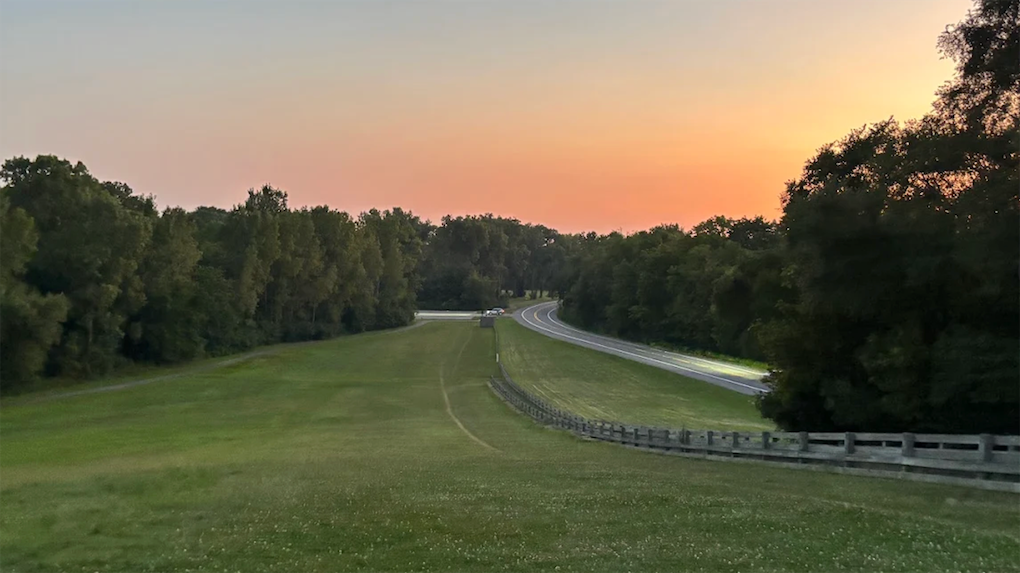
1. Hines Park offers green space along the Rouge River
Edward Hines Park stretches for miles through western Wayne County, including areas near Westland. The park follows the Rouge River and includes wide trails, picnic areas, and open lawns. Although the park is expansive, families can keep the experience focused by choosing one small section.
Tip for Families: Choose a visible landmark, such as a bridge or shelter, and make that the turnaround point. A clear destination helps define the outing.
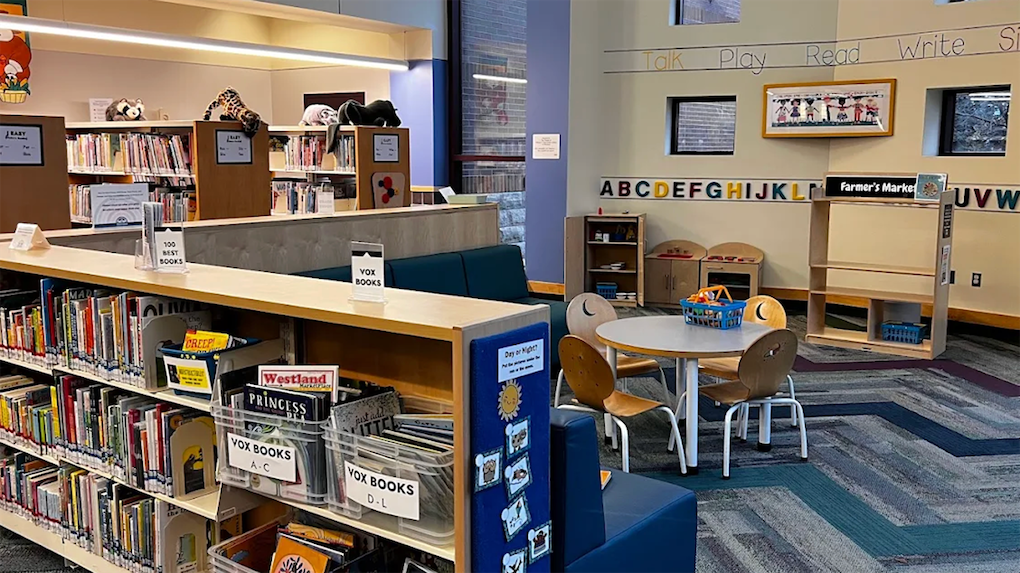
2. Westland Public Library provides routine and structure
The Westland Public Library offers clearly defined spaces, including a dedicated children’s section and quiet reading areas. Libraries work well for many children because the sequence rarely changes. Families enter, select books, sit together, and leave when ready. The expectations around noise and behavior are clear, which can reduce uncertainty.
Tip for Families: Create a repeatable routine, such as choosing three books and reading one before leaving. Consistency from visit to visit builds comfort.
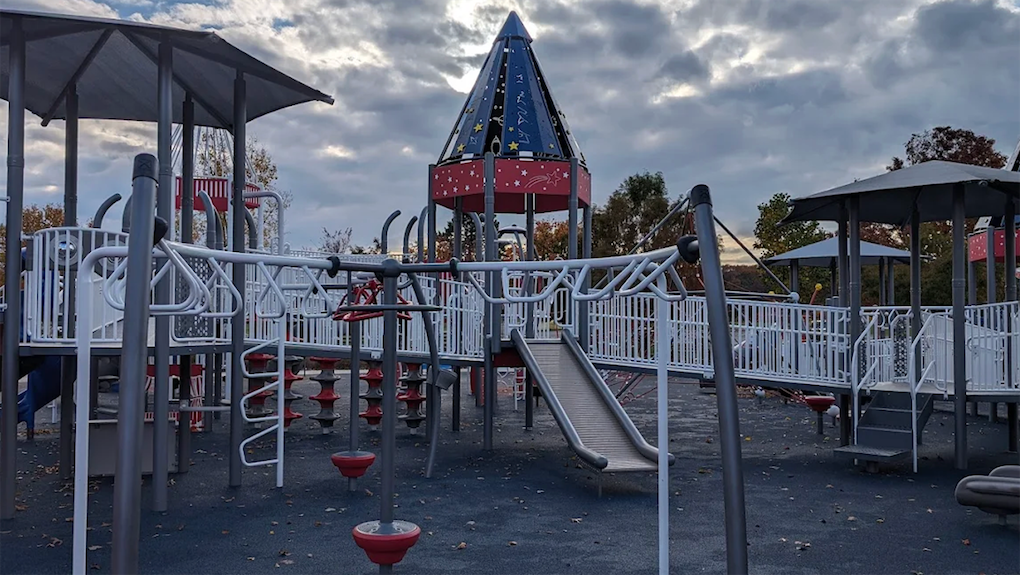
3. Tattan Park creates space for movement without confinement
Tattan Park includes a playground, open grassy fields, and walking paths. The design allows families to move between activity zones without feeling boxed in. If the playground feels busy, it is easy to step back to the edge of the field while maintaining sight lines.
Tip for Families: Let your child explore the equipment in the same order each visit. A predictable sequence can make active play feel more secure.

4. Westland Shopping Center allows controlled indoor outings
Westland Shopping Center provides wide corridors and multiple entrances, which gives families control over how they enter and exit. During colder months, an indoor walking space can feel more practical than outdoor alternatives. Clear sight lines and seating areas create natural stopping points.
Tip for Families: Use the mall directory near the entrance to show your child exactly where you are going before you begin walking. Seeing the route can reduce uncertainty.
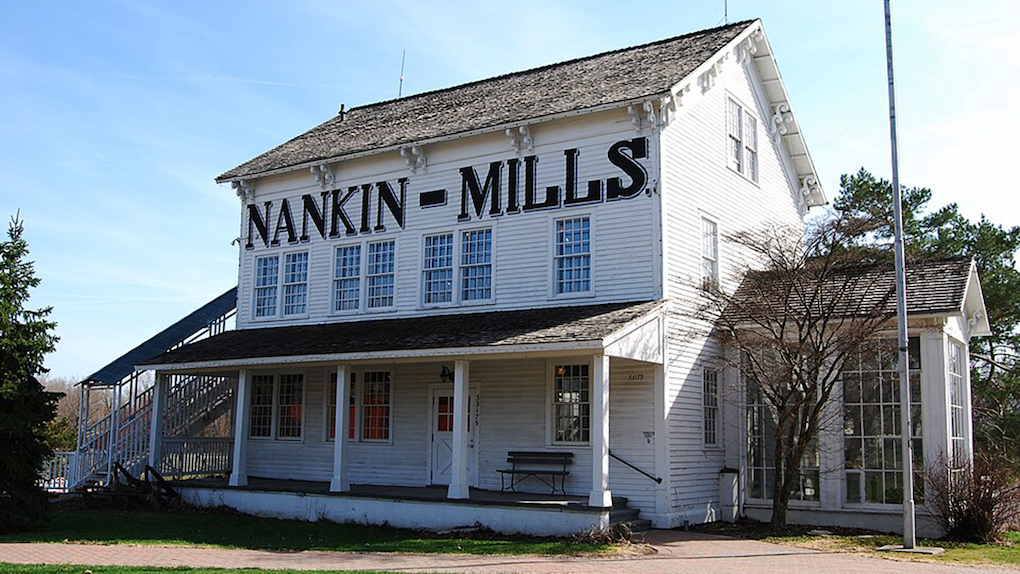
5. Nankin Mills Interpretive Center combines a small exhibit space with river access
Nankin Mills Interpretive Center sits within Hines Park and offers a modest indoor exhibit space focused on local wildlife and the Rouge River. The building’s smaller footprint makes it easier to understand the layout quickly. Families can pair a short indoor visit with a brief walk outside along the river. The combination allows for flexibility while keeping the outing contained.
Tip for Families: Set a simple plan before entering, such as visiting one exhibit room and then walking to the river overlook. Naming the sequence ahead of time can ease transitions.
Looking for Support in Westland?
Total Spectrum provides evidence-based applied behavior analysis (ABA) therapy and individualized support for children and families in and around Westland. If you have questions about your child’s development or want to understand what support might look like, our team is ready to talk through next steps.